(309) 275 2314
 info@jtslawncare.biz

A new patio, walkway, or seating area can make a yard feel more finished, but the parts beneath the surface matter just as much as the parts people see. In Bloomington, IL, August can bring heavy rain, hot afternoons, and soil that shifts from dry to soggy faster than many homeowners expect. That is why hardscaping should never be planned around looks alone. This blog will explain why drainage needs to come first, especially when homeowners want outdoor spaces that last, feel safe, and still look good after the next summer storm.
Why Hardscaping Needs Drainage Before Materials Are Chosen
Patios Need A Stable Base
Patios can look simple from above, but they depend on a strong base below the pavers, stone, or concrete. If that base is not built correctly, water can settle underneath and slowly weaken the surface. A homeowner may not notice the issue during the first few weeks, especially when everything still looks clean and new. Then the first heavy rain comes through, and small dips can start to form. In Bloomington, IL, where summer storms can quickly soak a yard, this is one of the biggest reasons hardscaping needs to be planned with water movement in mind.
A good base provides patios with the support they need in wet and dry weather and under regular use. This means the area needs proper excavation, compacted layers, and sufficient slope to direct water away rather than letting it sit. Without that, even attractive materials can shift or crack over time. It is easy to get caught up in color, shape, and pattern, and those choices do matter. But drainage decides whether the project stays comfortable to use after rain. Hardscaping is much more dependable when the hidden layers are treated like the main part of the job, not the part that gets rushed.
Drainage Decides Long-Term Shape
Drainage affects how a hardscape settles, how the edges hold, and how well nearby lawn or planting areas recover after rain. When water has nowhere to go, it collects at the lowest point. That can create soft soil near the patio, washed-out spots along the border, or wet areas where furniture legs sink in after a storm. Over time, those small problems can make the whole outdoor space feel less useful. A hardscaping project should be designed so that water moves safely away from the house, the base, and areas where people walk most often.
This is where experience makes a real difference. A homeowner may see a flat spot and think it is the perfect place for a patio, but a professional may notice that the same area catches roof runoff or sits at the bottom of a slope. In Normal, IL, yards with mature trees, older grading, or added outdoor features can have water flow patterns that are not immediately apparent. Drainage should be considered before the design is finalized, not after the surface is installed. That helps prevent expensive repairs and protects the investment from the start. Hardscaping can still be beautiful, but it should be built to handle what the yard already does.
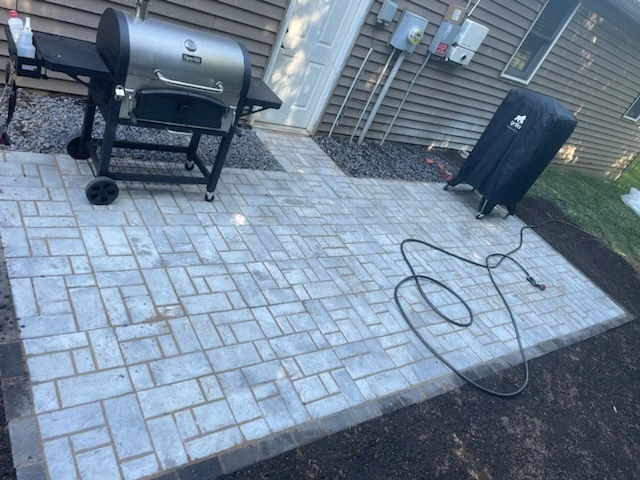
How Hardscaping Handles Bloomington Rain and Yard Slope
Patios Should Move Water Away
Patios should never send water toward the house, garage, or basement windows. It may sound obvious, but it happens when a surface is built too flat or pitched in the wrong direction. During light rain, the issue may appear only as a few damp areas. During a stronger August storm, water can move across the patio and collect near the foundation. This is why hardscaping needs careful slope, even when the finished surface looks level to the eye. The best patios feel comfortable underfoot while still giving water a clear path to leave.
Slope is not only about avoiding puddles. It also helps protect the materials from freeze-and-thaw stress later in the year, especially in Illinois. When water gets under or between surfaces, it can expand during cold weather and create movement. That may lead to uneven pavers, gaps, or cracked areas that did not exist when the project was first completed. A well-built patio accounts for both summer rain and winter weather. Good hardscaping should work across seasons, not just on the day the project is finished. That is why drainage planning belongs at the beginning of the design.
Drainage Starts Below The Surface
Most drainage problems do not begin where the homeowner sees the puddle. They usually start below the surface, where soil, base material, and grading are not working together. Clay-heavy soil can hold water longer, while compacted soil may stop water from soaking in evenly. If a hardscaping base is placed over a problem area without correction, the issue can return due to shifting, sinking, or wet edges. That is frustrating because the surface may have looked professionally finished at first. The real test comes after repeated rain and regular use.
A better approach starts with understanding how the yard drains before any materials are installed. This may include checking where downspouts empty, how the lawn slopes, and whether nearby beds are helping or trapping water. Landscape curbing can also help define certain areas, but it needs to be placed so it does not block water in the wrong spot. In Normal, IL, some yards have a mix of newer outdoor additions and older grading, which can make water movement a little harder to predict. Hardscaping works better when these details are considered early. It is not about making the project more complicated, but making sure it is built the right way the first time.
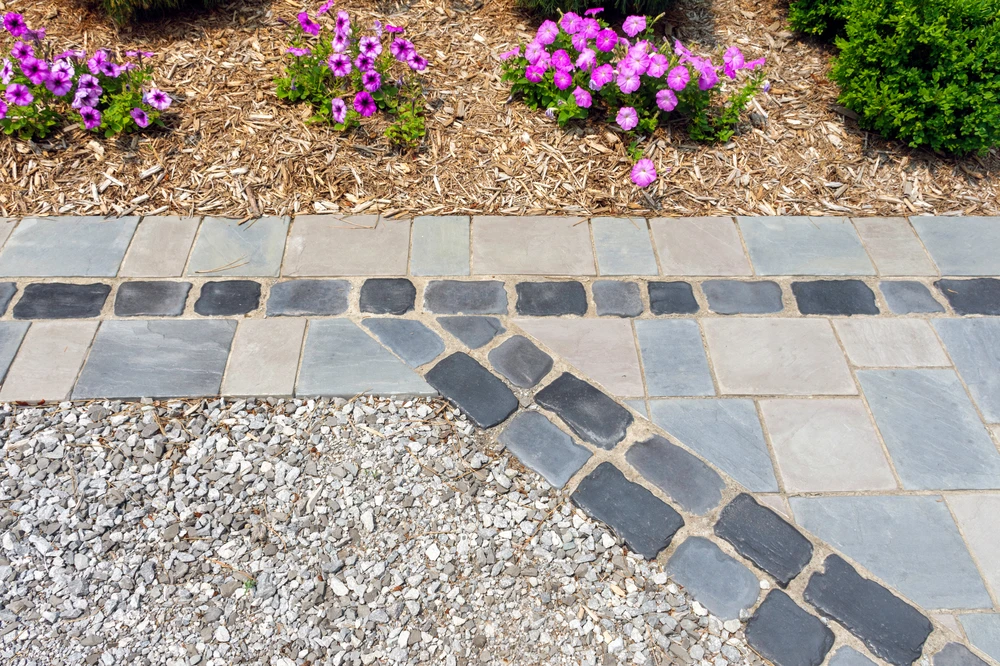
Better Hardscaping Makes Outdoor Spaces Easier To Use
Patios Work Best With Dry Edges
Patios are meant to be used, not avoided after every rain. If the edges stay muddy, the seating area feels smaller and less comfortable. People may track dirt onto the surface, furniture may sit unevenly, and nearby grass can start to thin where everyone steps around wet spots. This matters even more in August, when families are still grilling, hosting, and trying to enjoy evenings outside. Hardscaping should support how the space will actually be used, not just where the patio will fit on paper.
Dry edges often come from a combination of good grading, smart borders, and nearby soil that can handle water properly. If the lawn around the patio is always soggy, the hardscape may need more than a surface change. The surrounding yard may need small grading adjustments, better bed placement, or landscaping that helps manage runoff naturally. A patio does not stand alone, even when it is the main feature. It connects to walkways, lawn areas, steps, and planting beds. When those pieces work together, the whole yard feels easier to enjoy after rain.
Drainage Protects Daily Use
Drainage also affects how homeowners use their yard day after day. A walkway that gets slick, a patio corner that holds water, or a low seating area that stays damp can change how often people actually spend time outside. Some homeowners may start avoiding certain areas without even thinking about it. They move the grill, shift the chairs, or stop using the space after storms. That is a sign that the design does not match the yard’s conditions. Strong hardscaping should make the outdoor area more usable, not create another thing to worry about.
This is also where competitive pricing matters, but it should not mean cutting corners under the surface. The base, slope, and drainage plan are not the exciting parts to look at, but they are the parts that protect the project. A fully licensed and insured company should be able to explain what is being done and why it matters. Homeowners deserve clear answers about materials, site prep, and how water will move after the work is complete. Lawn care and outdoor maintenance can also become easier when patios and walkways are built with the whole yard in mind. A good hardscaping plan helps the space hold up under real life, not just ideal weather.
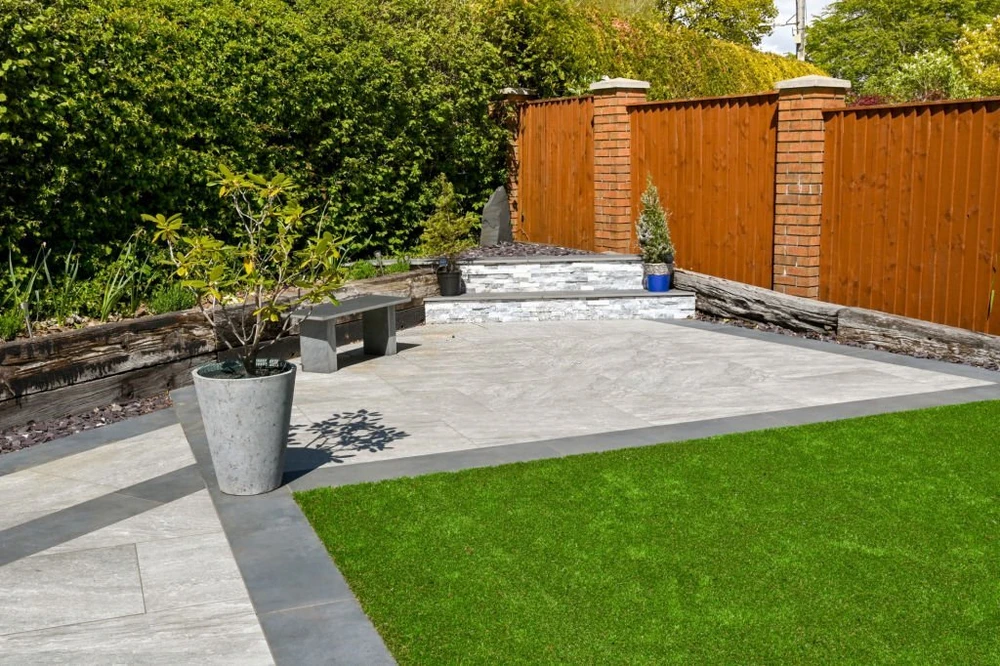
Conclusion
Hardscaping in Bloomington needs to be designed around drainage, as water affects everything from the base to the finished surface. Patios, walkways, and seating areas last longer when rain has a clear place to go, and the surrounding yard supports the design. At JT’s Lawn Care & Landscaping LLC, we bring family-focused landscaping with heart, competitive pricing you won’t find anywhere else, and the security of working with a fully licensed and insured team. We believe homeowners should feel confident about what is being built, why it is being built that way, and how it will serve their family over time. Contact us today to discuss a hardscaping project designed for real weather, real use, and a yard you can enjoy more often.