(309) 275 2314
 info@jtslawncare.biz

Summary
Bird activity can turn a good-looking lawn into a space that is harder to use. Droppings collect near walks, grazing thins turf beside water, and repeated landings can become a daily problem. Why does one property improve faster than another? Flight control works best when the plan matches the ground, water, weather, and daily use, rather than treating every lawn the same. In Bloomington, Normal & Le Roy IL, those details change from one city to the next, so it helps to look at each area on its own.
Practical Flight Control for Bloomington IL Lawns and Pond Areas
Bloomington properties often combine broad managed lawns with paved walks, park lakes, neighborhood ponds, and stormwater features. That mix gives flocks open landing space and nearby water, while regular foot traffic makes droppings more noticeable. Summer heat can draw birds toward irrigated turf, and a hard storm can shift activity toward low areas as water levels rise. A practical plan starts with how the site drains and how people use it. Flight control should then focus on the places where those patterns overlap.
Bloomington IL, Pond Edges Attract Repeat Visits
Bloomington IL, has several public park lakes along with smaller ponds and drainage areas throughout developed neighborhoods. These water features can create easy routes between a shoreline and the short grass beside it. Birds may feed on the lawn, return to the water when disturbed, and come back once the area feels open again. A technician should note where the birds enter, where they rest, how close the turf sits to the shoreline, and where pedestrians use the same space. That property map helps keep the work focused on the areas causing the real problem.
Blanket coverage is rarely the best use of time or product. A Bloomington IL, flight control plan may focus on the first stretch of turf beyond a pond, common resting areas, approach routes between the water and the open lawn, and grass beside busy paths. Depending on the property, visual deterrents or taste-based repellents may be considered when their labels allow that use. Managed turf should be treated separately from shoreline plants and natural landscaping. This works well for homeowners, HOAs, schools, and public-facing properties that need usable grass without covering parts of the site that birds rarely visit.
Storm Timing Matters After Heat and Rain
Late August in Bloomington IL, commonly brings afternoons in the mid-80s. Humidity can remain high, and a storm may develop with little warning. Rainfall, irrigation, mowing, and heavy morning moisture can all affect how long a treatment remains on the grass. A technician should choose a suitable dry period and check the forecast before beginning. Applying immediately before a downpour or during gusty weather may produce uneven coverage and waste material.
Heat and dry ground change bird use as well. When unirrigated grass begins to brown, flocks may move toward watered lawns near parks, schools, ponds, or commercial entrances. Low areas can become muddy after a storm, which may redirect birds toward firmer ground beside sidewalks and parking areas. Follow-up visits should check those new gathering points rather than assume the birds will return to the original spot. When activity changes after rain, the Bloomington plan can adapt accordingly.
Le Roy IL Flight Control Across Open Ground and Timber Edges
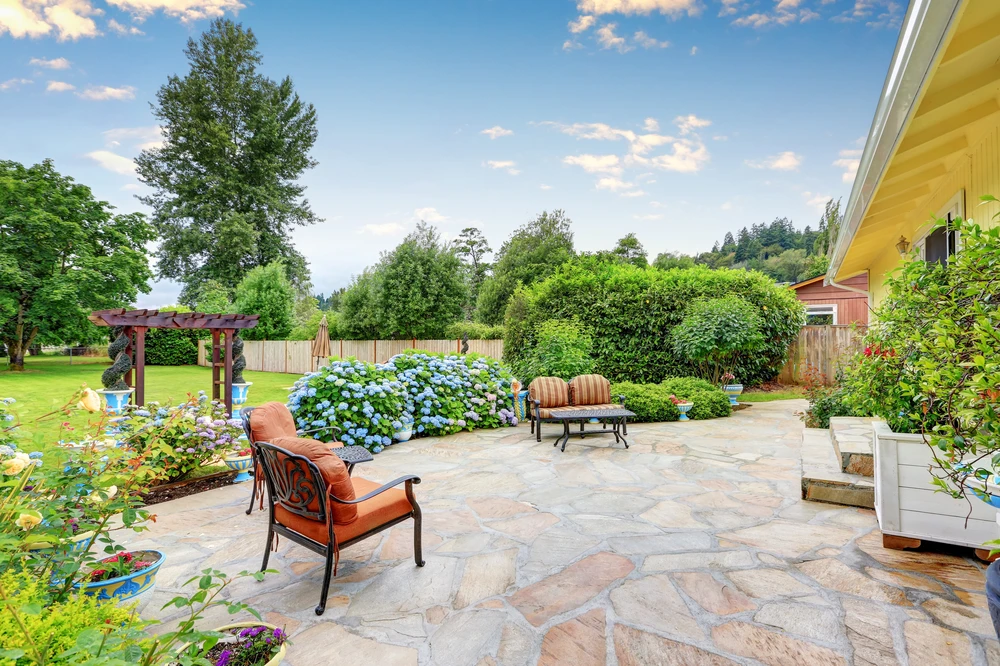
Le Roy IL, properties often meet open agricultural ground at the edge of town. Large lots, park fields, wooded areas, ponds, and nearby cropland give birds several ways to move through the landscape. The open view can make lawns easy to access, while timber and water provide nearby shelter. Late summer also brings changing field conditions as crops mature and harvest gets closer. A Le Roy IL, flight control plan needs to account for those local features before any treatment is scheduled.
Le Roy IL, Field Borders Shape Bird Traffic
Open field borders give flocks broad approaches to school grounds, park lawns, large residential lots, and farm ponds. After crops mature or harvesting begins, feeding areas can change within days. Birds that spent time farther into a field may begin gathering closer to town as equipment, crop height, or available food changes. A useful inspection follows movement between the field edge, open turf, and nearby water. It also looks for shaded resting areas, repeated droppings, short grass, and gaps that make the property easy to enter.
Flight control in Le Roy IL, should focus on those repeat-use areas rather than cover every acre. Treatments may be concentrated near the managed lawn where birds feed or gather, while cropland and natural vegetation remain undisturbed. This approach is useful for larger properties where the full site would be costly and unnecessary. The technician can also observe how birds approach from nearby ground before deciding where coverage is needed. That keeps the service tied to the property instead of relying on a general route.
Wind And Harvest Change Service Timing
Open ground gives wind more room to move across a Le Roy IL, property. That matters for any spray-based bird deterrent service. Applications should occur only when wind, temperature, rain, and surface moisture meet the product requirements. On hot August days, dry turf and recently irrigated turf may require different scheduling. A rushed visit during strong winds or just before rain can result in poor coverage. Choosing the right service window protects both the lawn and the work being completed.
Late summer also moves Le Roy IL, closer to harvest and early fall migration. Flocks that fed in nearby fields may begin using park turf or residential lawns as field conditions change. A route that worked in July may need a different focus by September. After the leaves fall, timber edges become more open, while winter snow can concentrate bird activity on exposed grass and areas near unfrozen water. Regular observation keeps the plan connected to what is actually happening around the property.
Normal IL Flight Control for Creek Corridors and Detention Basins
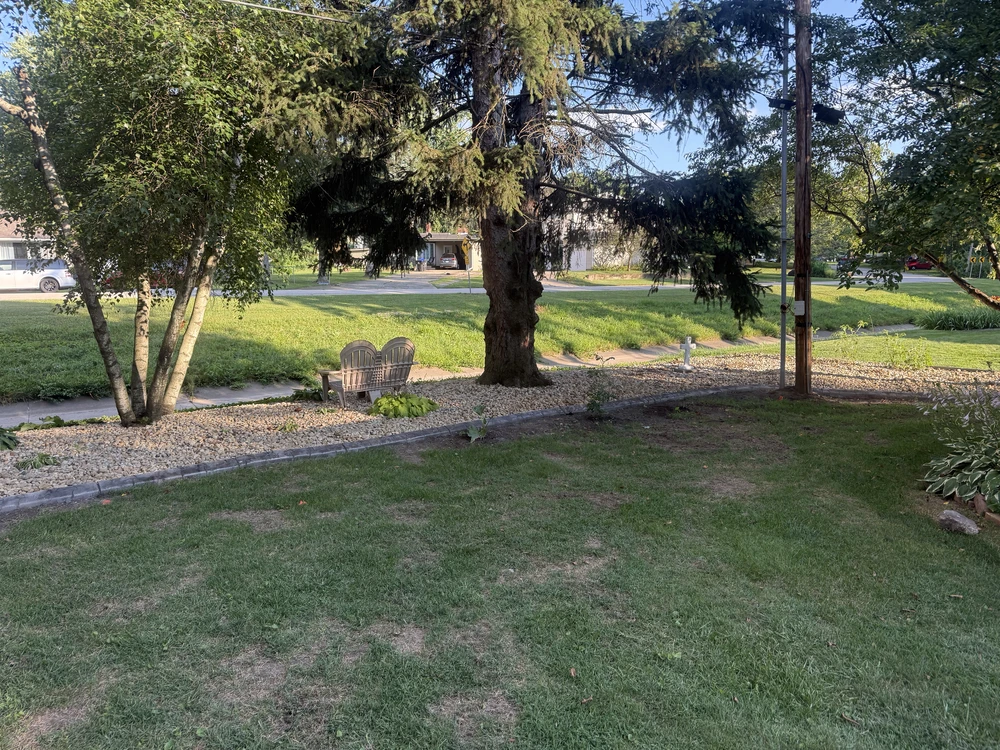
Normal IL, has a developed drainage pattern built around creeks, ditches, detention basins, and protected stream areas. These features carry water through neighborhoods and create connected routes that birds may follow. The challenge is not limited to the shoreline. It can also reach mowed turf, sidewalks, school grounds, and shared outdoor areas beside the water. Flight control in Normal works better when drainage and public use are considered together.
Normal Creek Buffers Change Landing Patterns
Normal IL, manages vegetation around creeks, detention areas, ditches, and stream buffers to help protect water and reduce erosion. These corridors can shape how birds travel through a neighborhood. A flock may move along the water before stepping onto nearby managed turf to feed or rest. A site visit should separate protected vegetation from lawn areas that can be treated. That distinction matters because shoreline growth can support the drainage area while also making some banks less convenient for geese to enter.
Normal IL, properties range from subdivision ponds to campus grounds, neighborhood parks, and commercial lawns. Roofs and pavement direct stormwater toward drainage areas, which can raise basin levels after heavy rain. Flight control should focus on the managed edge where droppings or grazing affect how the property is used. A basin surrounded by taller vegetation may require a different approach than one with short grass reaching the water. The useful questions are where the birds land, how they reach the lawn, which area causes the most trouble, and when activity is at its highest.
Rainfall Shifts Activity Around Local Basins
Hot, dry summers can slow vegetation growth around Normal, while wetter periods may cause grass and buffer plants to grow much faster. That matters because mowing height and plant density change how open a detention area feels to a flock. A hard rain can refill shallow ground and create new gathering areas along the basin. Dry weather may have the opposite effect, drawing birds toward irrigated grass near homes, businesses, and recreational spaces. The service plan should account for both conditions rather than assuming a single schedule will fit the entire season.
Tracking results makes these weather-related changes easier to manage. Before service begins, photos and simple counts can record common landing areas and the times when birds usually arrive. Later visits can compare fewer droppings, less turf grazing, cleaner entrances, and shorter gathering periods. Construction, basin maintenance, a neighboring mowing change, or heavy rain can redirect bird activity. When that happens, the next visit can target the new route rather than continue working an old problem area. This keeps Normal flight control practical and easy for the property owner to understand.

Conclusion
A plan beside a Bloomington pond should not be copied onto a Le Roy field border. Normal creek corridors and detention basins pose another set of concerns, especially after changes in rainfall and mowing conditions. At JT’s Lawn Care & Landscaping, we study bird landing patterns and water movement before recommending a flight control service. We also account for heat, wind, rainfall, and the way each outdoor area is used. Contact us to discuss bird activity on your property and develop a humane plan tailored to your site.
FAQs
Homeowners and property managers usually want to know what flight control involves and how long results may take. They also ask about safety and scheduling. Every property is a little different because water, turf, nearby food, and seasonal movement can affect bird activity. These answers provide a useful starting point before a site is inspected.
What Is Flight Control And How Does It Help A Property?
Flight control uses a property assessment and nonlethal deterrents to make frequently used lawn areas less attractive to problem birds. In some places, simple habitat changes or physical barriers may also reduce access between water and grass. The purpose is to lower repeat landings, reduce droppings, and protect the parts of the property people use most often.
How Soon Can Bird Activity Begin To Decline?
Some light-use properties may show improvement after the first application, but established flocks often require several visits before their habits change. Rain, mowing, nearby feeding areas, and access to water can affect the timeline. Results should be evaluated based on observed activity rather than guaranteed by a fixed number of days.
Are Flight Control Treatments Safe Around Families And Pets?
Safety depends on selecting an appropriate product and following its label instructions. The technician should account for families and pets, nearby plants, surface water, and the planned use of the lawn. Temporary signs or access guidance may be provided when a product requires a waiting period. Property owners should receive clear information about what was applied and where the work took place.
Which Nearby Communities Can Request Flight Control?
Service is also available in Peoria IL, Downs IL, Mahomet IL, Champaign IL, Fisher IL, Urbana IL, Clinton IL, Gibson City IL, Maroa IL, Monticello IL, Forsyth IL, Rantoul IL, Savoy IL, Lincoln IL, Decatur IL, Pontiac IL, and Morton IL. Property conditions and scheduling may vary by location, so the first step is a site conversation about the current bird activity.
How Often Are Follow-Up Visits Needed?
Visit frequency depends on the size of the flock, rainfall, mowing, irrigation, nearby food, and seasonal movement. A property with established bird activity may require more frequent visits at the beginning. Once landing behavior begins to change, observations can show whether continued maintenance is useful. The schedule should remain based on results rather than an automatic visit pattern.