(309) 275 2314
 info@jtslawncare.biz

SUMMARY
At JT’s Lawn Care & Landscaping LLC, we install pavers as part of outdoor projects where the surface itself needs to look intentional, fit the property, and support regular use. We plan the visible paver layout together with site preparation, grade, water movement, edges, and nearby features. That keeps the project focused on both appearance and the conditions below the finished surface instead of treating pavers as a pattern placed on top of the yard.
Design the Paver Surface Around the Property
Pavers give homeowners choices in size, color, pattern, and border treatment, but those choices work best when they support the home and the larger outdoor plan. This page focuses on the paving system itself; our patios page goes deeper into patio size, furniture, circulation, and how the gathering space should function.
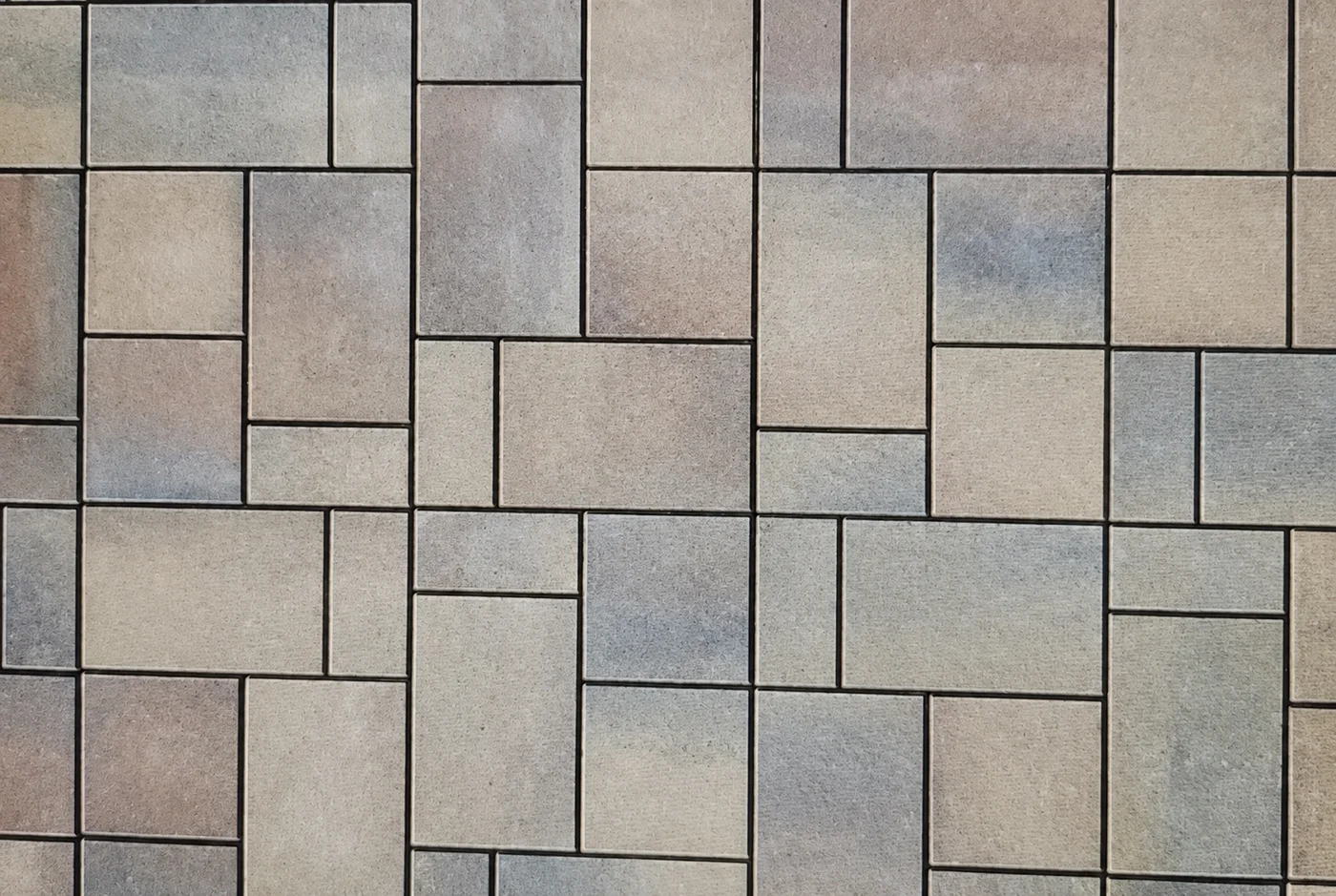
Match Size, Color, and Pattern to the Home
We review the home’s materials, surrounding hardscape, landscape colors, and the area’s scale before settling on a visual direction. A paver that looks good as a small sample can read very differently across a larger surface, so the overall field matters as much as an individual unit.
Pattern should also suit the size and shape of the project. A simple layout can keep a smaller surface calm, while a larger area may have room for a border or pattern change. The goal is a finished surface that feels connected to the property, not busy for decoration’s sake.
Use Borders and Transitions With Purpose
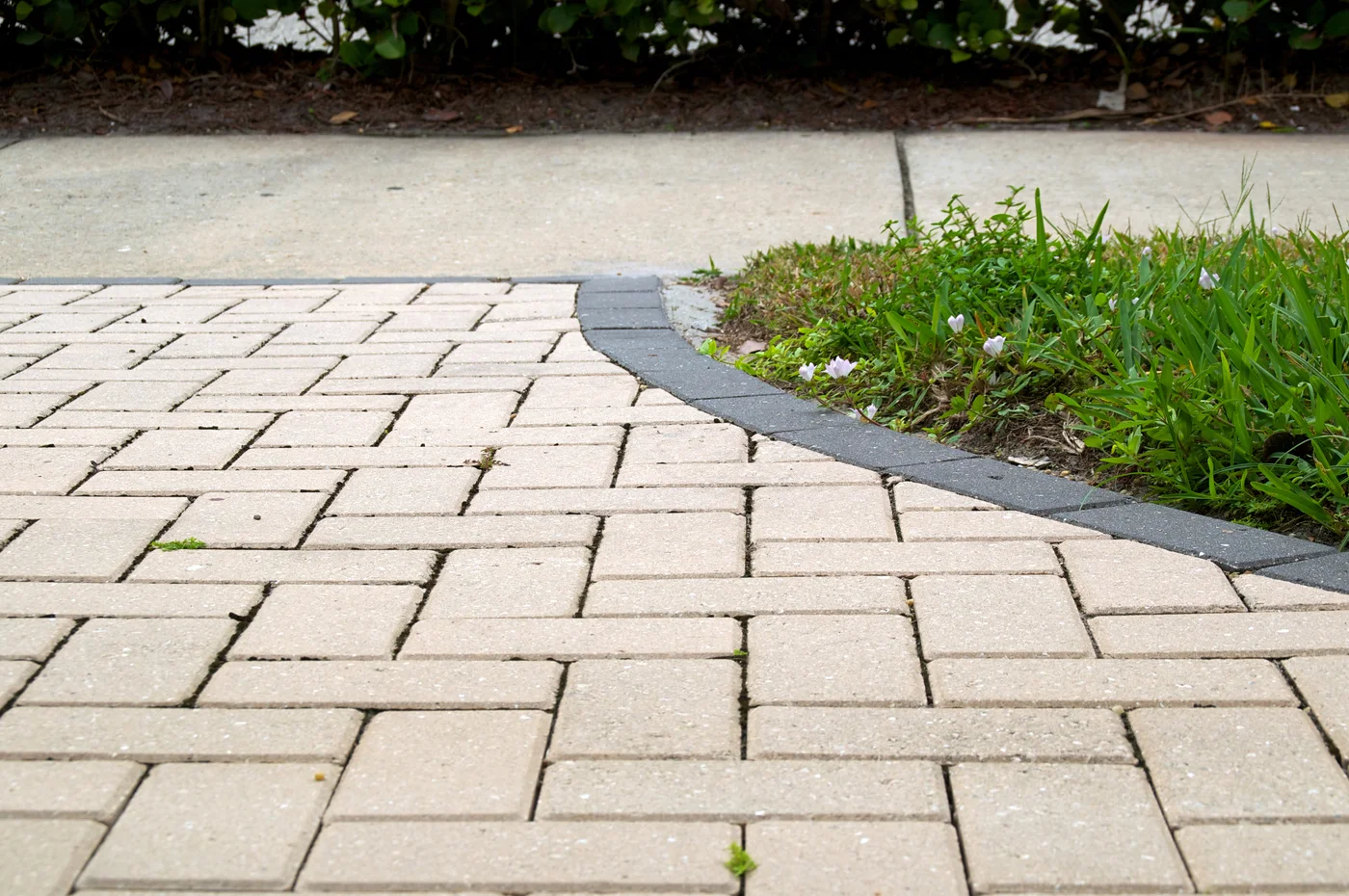
Borders can define the edge of a paver field, help organize a pattern, or create a clear transition where the surface meets lawn, planting beds, steps, or another hardscape feature. We keep those details tied to the layout, rather than adding extra visual changes that don’t serve the project.
Cuts and transitions deserve the same attention. Narrow leftover pieces or awkward meeting points can make an otherwise clean installation look unfinished. Planning the pattern around edges, corners, and fixed features helps the finished surface read as one system.
Build the Paver System From the Ground Up
The visible pavers are only one part of the installation. The condition of the area below, the site grade, and how water moves across or around the project can all affect how the surface performs.
Prepare the Base for the Specific Site
We start by reviewing the installation area, access, existing grade, and the condition of the ground where the pavers will go. Preparation can vary by property, so we don’t publish one excavation depth or base specification for every project.
The goal is to create a stable, properly prepared foundation for the finished paver surface. Base work, leveling, and the final elevation are planned around the site and the feature being installed. That preparation also needs to account for nearby doors, steps, lawn, and other surfaces so the paver field meets them cleanly.
Plan Grade, Water Movement, and Edges Together
Don’t plan a paver surface separately from water movement. We consider visible drainage paths, downspout areas, low spots, and how the proposed surface relates to surrounding grade before finalizing the layout.
Edges matter here too. The outside of the paver field needs a clear relationship to the adjoining lawn, landscape, wall, or other hardscape. If drainage, grading, or erosion concerns are part of the property, we treat them as site-specific needs rather than assuming the pavers alone will solve them.
Coordinate Pavers With the Rest of the Outdoor Project
Pavers often sit beside several other features. Keeping the paver scope clear while coordinating those connections helps the finished area feel intentional and makes it easier to understand which service is responsible for each part of the project.
Keep Paver Decisions Separate From Patio Layout Decisions
Pavers and patios are closely related, but they are not the same planning question. The patios page covers the footprint, seating, movement, and how the space connects to the home. The paver decision is about the surface system: the material direction, pattern, border, preparation, and finished transitions.
Separating those decisions helps avoid choosing a paver first and then forcing the patio layout to fit it. The outdoor space should establish what the surface needs to do; the paver design can then support that plan.
Connect Pavers Cleanly With Walls, Lawn, and Landscaping
When a paver area meets a retaining wall, planting bed, lawn, or other built feature, consider the transition before installation. Elevation changes, edge conditions, and the location of adjacent work can all affect the final layout.
Our broader hardscaping services can coordinate related built features, while landscaping can address planting or bed changes around the paved area as a separate scope. Keeping those pieces coordinated helps the pavers look integrated without blurring the purpose of each service.
Why Choose Our Team for Pavers
We approach paver projects with property-specific recommendations, thoughtful material decisions, site preparation, drainage and base considerations, craftsmanship, and clean finished details. We focus on how the paver system fits the property rather than relying on one pattern or construction assumption for every yard.
Homeowners can review our location-specific service information in Bloomington, Normal, and Le Roy. The service area may be the same, but the right paver layout, preparation, and surrounding transitions still depend on the individual property.
Conclusion
Pavers can give an outdoor project a defined, finished surface, but the visible pattern is only part of the decision. Contact our team to discuss the area, the look you want, the surrounding conditions, and how a paver installation can fit the rest of your property.
FAQs
What Should I Compare When Choosing Pavers?
Look beyond color alone. Consider the unit scale, overall pattern, border treatment, texture, nearby home materials, and surface size. Choose what fits the property and the intended project, not just what looks attractive in a small sample.
What Matters Below a Paver Surface?
Site preparation, base work, grade, and drainage considerations all matter before you set the finished units. The exact approach depends on the property and project type, which is why we avoid using one base depth or preparation specification for every site.
How Are Pavers Different From the Patio Itself?
A patio is the overall outdoor space and includes decisions about footprint, furniture, circulation, and connection to the home. Pavers are the surface system used within a confirmed paver-patio project, including material, pattern, borders, preparation, and transitions.
What Maintenance Should Homeowners Expect From Pavers?
Pavers still need normal care. Keeping the surface clean, watching joints and edges, and addressing visible movement or drainage changes early can help keep the area orderly. Cleaning products, joint materials, and winter treatments should match the specific paver product rather than being treated as one-size-fits-all.