 (309) 275 2314
 info@jtslawncare.biz
Hardscaping in Bloomington, Normal & Le Roy, IL
SUMMARY
At JT’s Lawn Care & Landscaping LLC, we build hardscape features that give outdoor areas clearer purpose, structure, and usable space. We plan each project around the property, intended use, access, grade, water movement, and how the finished feature should connect with surrounding lawn and landscaping. That keeps the work focused on what the property needs instead of treating every hardscape as the same kind of project.
What Our Hardscaping Services Can Include
Hardscaping can solve different outdoor needs. Some properties need a defined place to sit or gather, while others need a stronger transition across a grade change or a built element that helps organize the yard. Our confirmed scope can include paver patios, retaining walls, fire pit features, and related outdoor living improvements.
Patios and Paver Features for Everyday Use
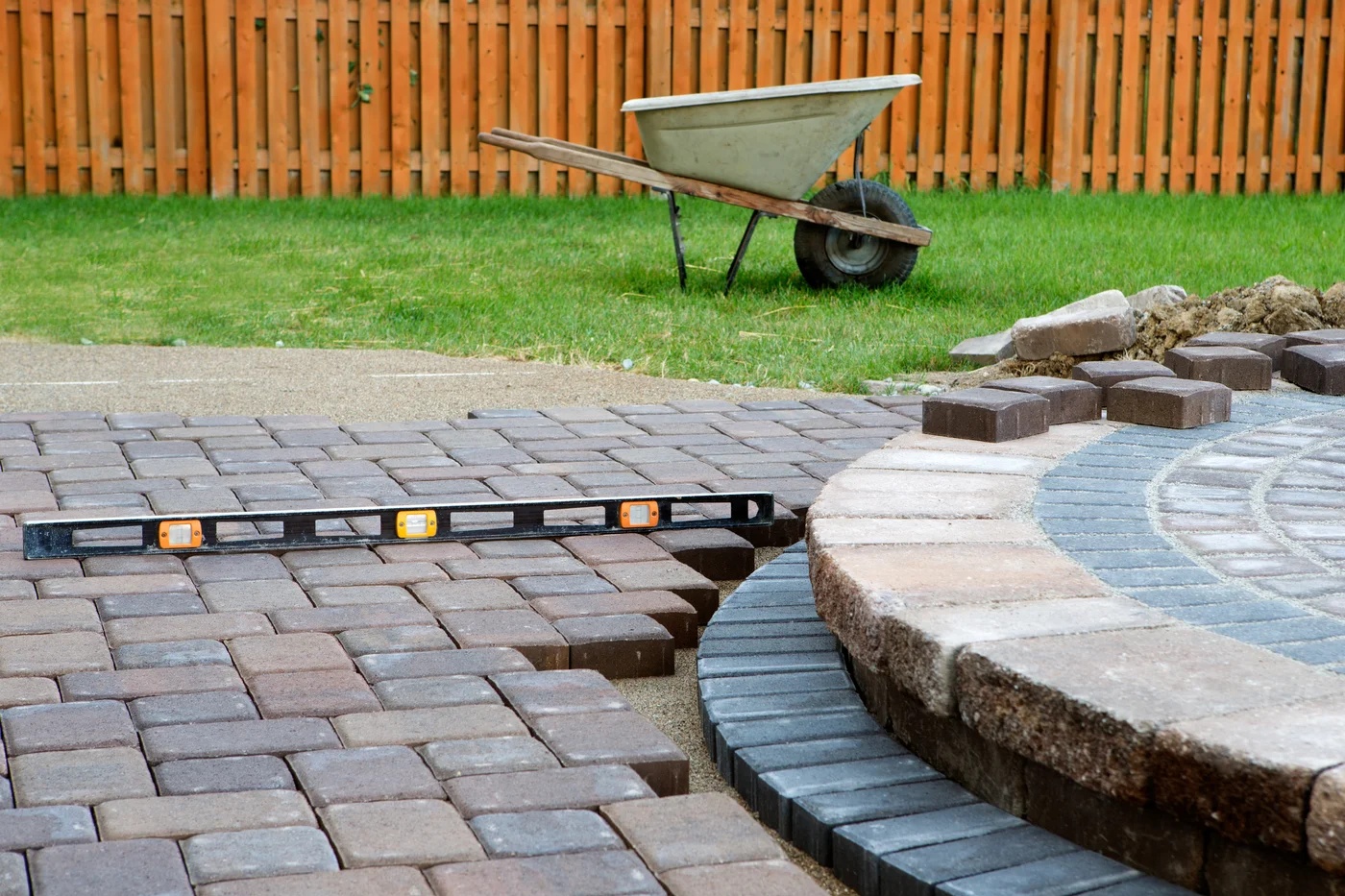
Our patios and pavers can create a defined surface for outdoor use while giving the yard a clearer destination. We consider how much space is actually needed, where the feature should sit in relation to the home, and how people will move between the hardscape, lawn, and nearby landscape areas. The footprint should support how you expect to use the space without taking up more yard than necessary.
Retaining Walls and Fire Pit Features That Add Structure
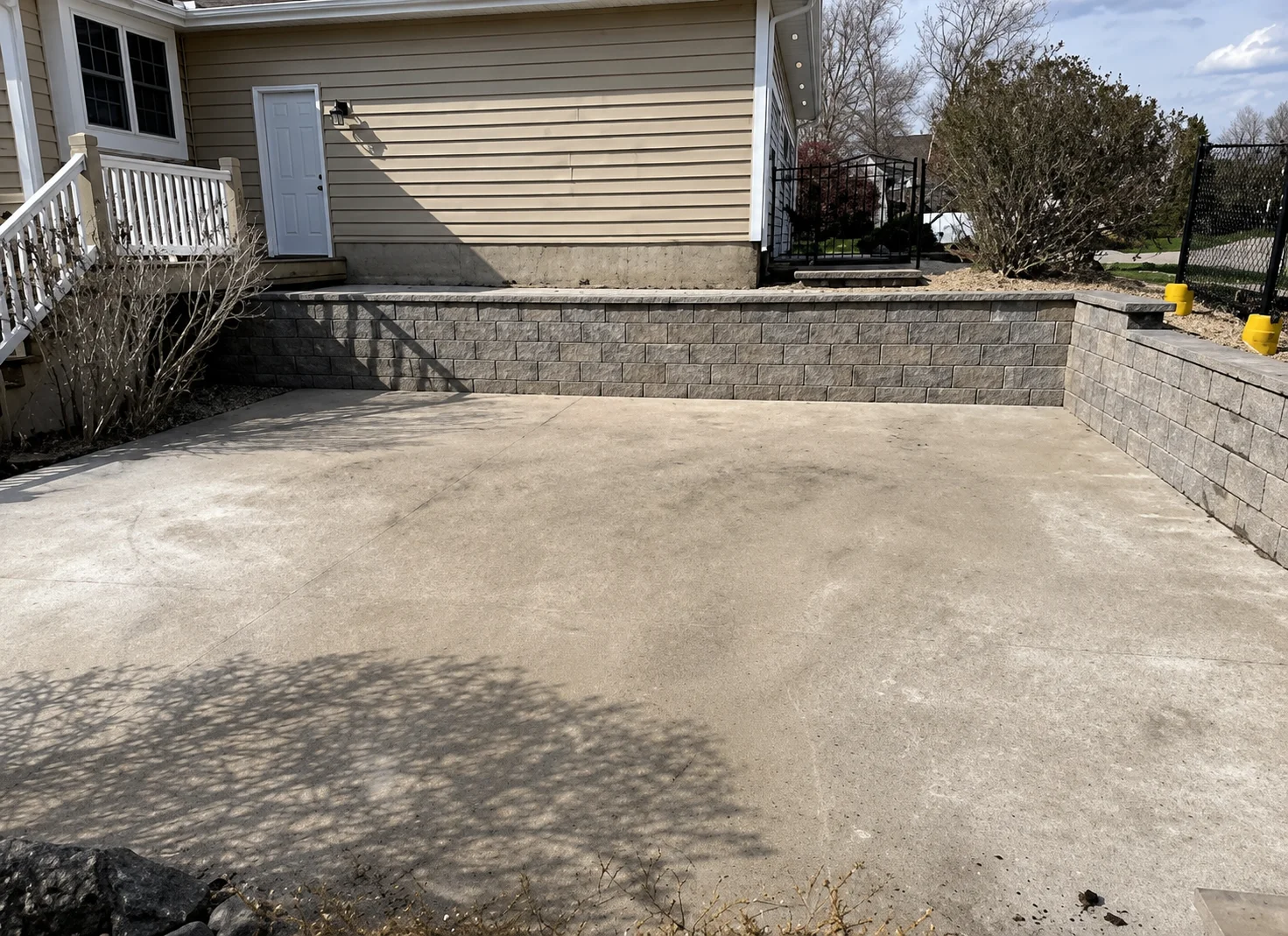
Our retaining walls can manage grade changes, define outdoor areas, and support a more usable layout when appropriate for the property. Fire pit features can create a natural gathering point within a larger outdoor area. In both cases, placement should make sense with the surrounding elevations, lawn, landscaping, and other hardscape features rather than being treated as an isolated addition.
Problems Our Hardscaping Services Help Solve
A hardscape project usually begins with a practical problem: an outdoor area that is difficult to use, a slope that limits the layout, or a yard that lacks a defined place for gathering. Identifying that problem helps keep the project focused.
Give Underused Outdoor Areas a Clear Purpose
An open section of yard can have plenty of space but still not be very useful. A patio, paver feature, or fire pit area can give that space a destination for sitting, dining, grilling, or spending time outside. We plan the feature around those activities while preserving lawn, planting areas, and open space that still serve the property.
Improve Connections Between Outdoor Areas
Hardscaping should connect naturally with the home and the rest of the yard. We look at where the feature begins and ends, how it meets nearby lawn or planting areas, and whether the layout creates clear movement instead of awkward leftover spaces. Planning those transitions with the main feature helps the finished work feel intentional and practical.
Our Hardscaping Process
A clear hardscaping process starts with understanding the property and defining the job before installation begins. We keep planning tied to the site rather than assuming the same layout or construction decisions apply to every project.
Start With Goals and Site Conditions
We review what you want the area to do along with access, grade, visible water movement, nearby structures, existing hardscape, and surrounding landscaping. Existing doors, drives, fences, lawn, and planting areas can also influence the footprint and placement. Understanding those conditions early gives us a practical basis for the plan.
Define the Scope Before Installation
Once the goals and site conditions are clear, we define the feature, footprint, material direction, and preparation the project may require. Base work, drainage considerations, grade adjustments, and transitions depend on the specific hardscape and property. When the project includes planting areas or other landscape features, we can coordinate our landscaping services and landscape curbing as separate, confirmed scopes.
Important Factors to Consider for Hardscaping
Hardscaping becomes a lasting part of how an outdoor area looks and functions, so plan the visible feature with the space around it.
Keep the Feature in Scale With the Property
More hardscape is not automatically better. The size should make sense for the home, available yard, intended use, and how much lawn or landscaping you want to keep. We plan for enough room to use the feature comfortably without letting it dominate the property or create unnecessary hard surface.
Plan for Water Movement and Future Maintenance
A new hard surface can change how water moves through part of a yard. We consider visible drainage paths, surrounding grade, low areas, and how the proposed feature will meet nearby surfaces. If grading, drainage, or erosion concerns are part of the confirmed project, we address them as site-specific needs. The finished layout should also leave lawn, planting beds, and hardscape edges practical to maintain.
Why Choose Our Team for Hardscaping
We approach hardscaping with property-specific recommendations, thoughtful planning, site preparation, craftsmanship, and clean finished details. We focus on practical decisions about layout, materials, water movement, and how the feature will be used rather than making the project larger or more complicated than the property needs.
Homeowners can review our location-specific service information in Bloomington and Normal, and we also serve Le Roy and other communities within our confirmed service area. When several improvements are involved, we keep the hardscape scope clear while considering how it will relate to the surrounding landscape.
Conclusion
A hardscape should give the property a clearer purpose, not simply add another surface to the yard. Whether you are considering a patio, pavers, a retaining wall, or a fire pit feature, contact our team to discuss how the improvement should fit the property and the way you want to use the space.
FAQs
How Do I Know Which Hardscape Feature Fits My Property?
Start with the problem you want to solve. A patio or paver area can create usable outdoor space, a retaining wall may help address a grade change, and a fire pit feature can create a defined gathering point. The right choice depends on the property, available space, site conditions, and how you want to use the area.
What Should Be Reviewed Before a Hardscaping Project Starts?
Review intended use, access, grade, visible water movement, nearby structures, existing landscaping, and the way the new feature will connect to the rest of the yard. Those conditions can affect the footprint and preparation before installation begins.
How Can Hardscaping Be Added Without Making the Yard Feel Overbuilt?
Keep the feature proportional to the home and the way the yard is used. Preserve lawn or landscaping where it still serves a purpose, and avoid adding square footage simply because space is available. A focused hardscape with a clear function can improve the property without taking over it.
What Should Be Coordinated With Landscaping or Drainage Work?
If the hardscape will change bed lines, grade, runoff, or the footprint of nearby landscaping, consider those connections before finalizing the layout. The exact order depends on the property and confirmed scope, but coordinating related work early can reduce unnecessary rework.

"*" indicates required fields
★★★★★
Super personable, affordable, and attention to quality work. Thanks, JT’s!
- Amy Shreves
Young guys were friendly and did a great job for us. I would recommend their services to anyone needing landscaping or lawn care.
- Starkey Hedger
Scott was amazing! He was extremely helpful, kind, and professional. He walked us through every step of what needed to be done. He was very knowledgeable and went above and beyond. The crew came out and were fast, efficient, and very kind. We will continue to use them!
- Jennifer Garcia
These guys are awesome!
- Jared Hobson
We had the landscape curbing done around our pool and love it. Jake and his crew did a fantastic job.
-Traci Hartwig
SERVICES
Landscape Curbing
Landscaping
Pavers
Hardscaping
Retaining Walls
Patios
Sod Installation
Drainage
Retaining Walls
Softscape
Lawn Fertilization
Aeration
Landscape Installation
Mulching
Outdoor Living Spaces
Snow Removal
French Drains
Land clearing
Fall cleanup
Grading
Resloping
Planting
Tree Trimming
Tree Pruning
Erosion Control
Firepit Features
SERVICE AREAS
Bloomington, IL
Normal, IL
Le Roy, IL
Peoria, IL
Downs, IL
Mahomet, IL
Champaign, IL
Fisher, IL
Urbana, IL
Clinton, IL
Gibson City, IL
Maroa, IL
Monticello, IL
Forsyth, IL
Rantoul, IL
Savoy, IL
Lincoln, IL
Decatur, IL
Pontiac, IL
Morton, IL
