(309) 275 2314
 info@jtslawncare.biz

SUMMARY
At JT’s Lawn Care & Landscaping LLC, we help Normal property owners improve outdoor spaces with landscape curbing, landscaping, and hardscaping designed to fit the features already in place. We look at lawn edges, planting beds, walks, driveways, gates, patios, utility areas, and everyday routes so new work feels connected to the property instead of added as a separate piece.
Outdoor Improvements That Fit Normal Properties
Many Normal projects begin with a yard that already has established features worth keeping. A front walk may already work well, a side gate may be an important route to the backyard, or mature landscaping may define part of the space. We plan around those fixed points first, then shape the new work so the property stays practical to move through, use, and maintain.
Start With Transitions, Not Isolated Features
Where one surface meets another strongly affects how a yard looks and functions. Lawn meeting a planting bed, a walkway meeting a driveway, or a patio meeting the surrounding landscape all need clear transitions. We consider those connections when shaping bed lines, planning curbing, or locating a hardscape.
Those transitions also affect routine use. A border should not create a narrow strip that is difficult to mow. A planting area should not crowd an entry or walkway as it matures. A paved area should connect naturally to the route people already use between the house and yard.
Protect the Parts of the Property That Already Work
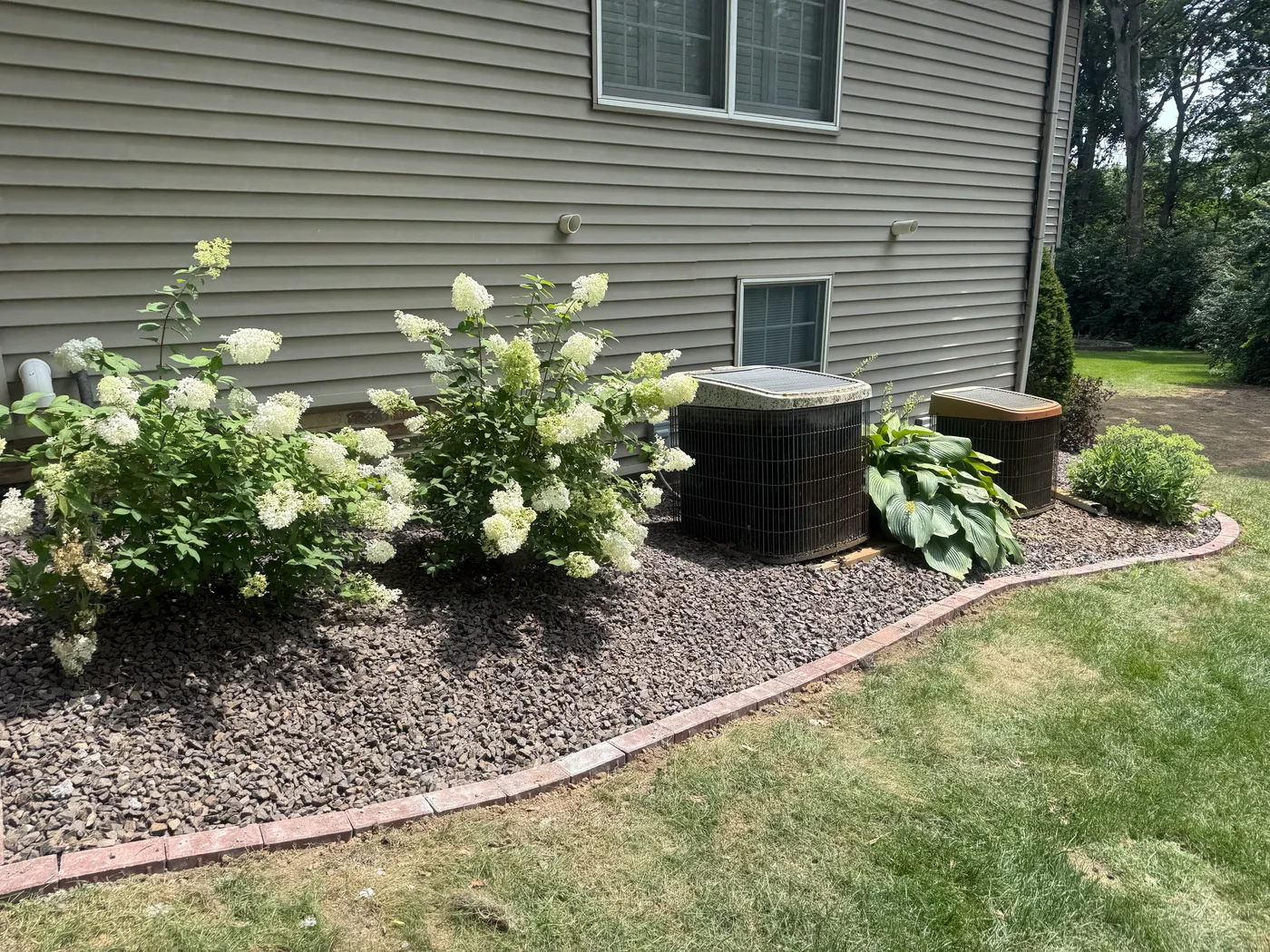
Established shrubs and trees, utility areas, air-conditioning equipment, fences, walks, and lawn access can influence the final layout. We account for those conditions before defining the scope of work.
That may mean adjusting a bed line to keep access open, leaving service space around equipment, or preserving a walkway that already carries daily traffic. Property-specific planning helps the improvement fit the site rather than forcing the site to fit a standard layout.
Services We Provide in Normal
Our three primary services address different parts of an outdoor space. The dedicated service pages provide more detail, while this page explains how each service can fit into an established Normal property without making the rest of the yard harder to use.
Landscape Curbing in Normal
Our landscape curbing gives lawn and planting areas a clearer edge while helping those areas meet walks, driveways, and existing beds cleanly. We consider mowing paths, bed width, curves, and where the curb starts and stops to support how the yard is already maintained. The border should finish the layout without creating tight corners or awkward strips of turf.
Landscaping in Normal
Our landscaping work can refresh or reshape planting areas while respecting mature plants, windows, utility areas, walks, and lawn routes that remain in place. We consider sun exposure, available space, mature growth, and your desired level of upkeep. When planting, mulch, sod, or related landscape improvements are part of the confirmed scope, we fit them into the existing yard rather than treating the property as a blank slate.
Hardscaping in Normal
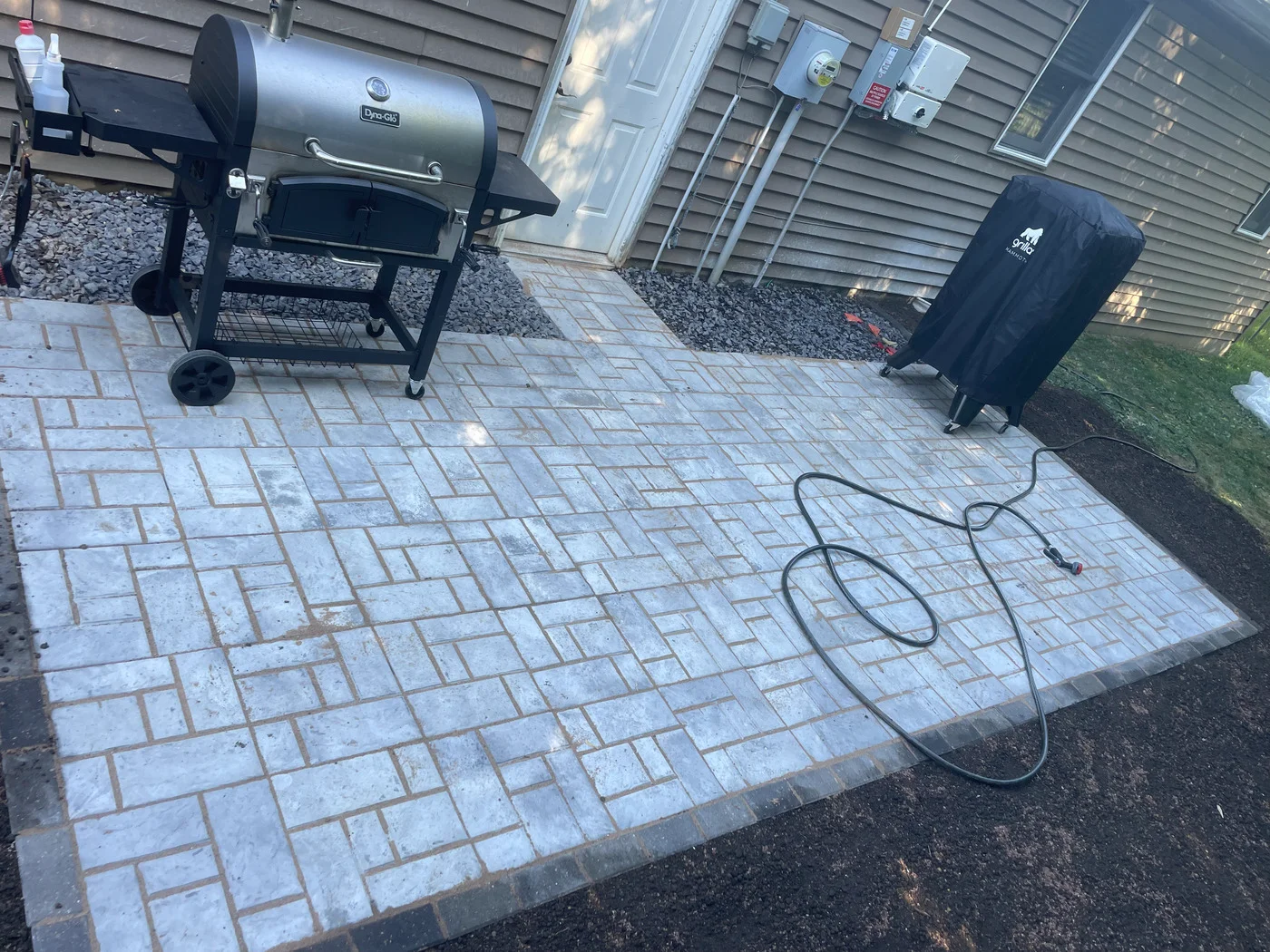
Our hardscaping services add usable surfaces and structure through projects such as paver patios, retaining walls, fire pit features, and related outdoor living improvements within our confirmed scope. We pay close attention to how a new hardscape connects to doors, existing walks, gates, and adjacent lawn or landscape areas. A built feature should improve outdoor use without making other parts of the yard harder to reach.
Planning Around Existing Features in Normal
A property does not need to start from scratch to benefit from an outdoor improvement. Existing walks, fences, plantings, equipment areas, and access routes can all shape what makes sense in the available space. We plan the new work around the features that need to remain useful after the project is complete.
Keep Side-Yard and Service Access Usable
Side yards, gates, air-conditioning equipment, utility areas, and routes to the backyard can limit how much room is available for a new feature. We consider the clearance those areas need so a new bed, curb, or hardscape does not turn a useful route into a squeeze point or make routine service unnecessarily difficult.
Access also matters when deciding a project’s footprint. A patio, retaining feature, or planting area should fit the space without blocking the paths people still need to use around the home. That is especially important when the project improves one part of the yard while the rest remains in regular use.
Coordinate Curbing, Beds, and Paved Routes
Driveways, front walks, gates, side-yard passages, patios, and lawn routes can influence where a curb or planting bed should begin and end. Clear connections help reduce awkward corners, tight mowing areas, and unnecessary detours around new work.
Where these features meet, we consider widths, turns, edges, and adjacent lawn so the layout feels deliberate and practical, not crowded. Property owners exploring nearby service coverage can also review our work in Bloomington and Le Roy.
Why Choose Our Team in Normal
We approach Normal projects with property-specific recommendations, careful preparation, clean finished details, and practical decisions about access, transitions, and long-term use. We focus on the needs actually present on the property and keep the scope connected to how the space should look and function when the work is complete.
We also pay attention to what should stay. Keeping an established walk usable, preserving access around equipment, or shaping a new bed around mature features can be just as important as the new installation itself. That restraint helps the finished project feel like part of the property rather than an addition you have to work around.
Conclusion
A successful outdoor improvement in Normal should make the property easier to use and better connected from one area to the next. Whether your priority is a cleaner landscape edge, a refreshed planting area, or a more useful hardscape, contact our team to discuss the property and the next step that fits your goals.
FAQ’s
These questions cover common planning decisions for Normal properties where curbing, landscaping, and hardscaping may need to work around existing features.
What Makes a Good Transition Between Lawn, Beds, and Hardscape?
A good transition is clear, practical to maintain, and appropriate for the surrounding grade. It should define where one area ends and another begins without creating narrow lawn strips, awkward corners, or difficult access. The exact layout depends on the property and the features already in place.
How Should Existing Walks, Driveways, and Utility Areas Affect the Layout?
Treat them as fixed conditions unless they are part of the project scope. New beds, curbing, or hardscapes should leave practical access to entries, gates, equipment, and utility areas while connecting naturally to existing paved routes.
Can One Part of an Established Yard Be Improved Without Redesigning Everything?
Yes. If existing walks, plantings, lawn areas, or hardscapes are working well, the new scope can be shaped around them. The key is checking how the new edge, bed, or surface will meet what stays, so the finished area doesn’t create access or maintenance problems elsewhere.
What Should Be Considered When Backyard or Side-Yard Access Is Limited?
Look at gate width, fences, utility equipment, existing pavement, turns, and the path materials or equipment would need to follow. Those constraints can affect the layout and construction approach, so identify them before you finalize the footprint of a patio, wall, or landscape area.