 (309) 275 2314
 info@jtslawncare.biz
Fall Aeration | The October Playbook For Healthier Lawns
Summary
Early fall has a way of sneaking up, and suddenly the lawn looks tired and worn out after a long summer.
Fall aeration is the reset button that lets air, water, and nutrients get back to where roots can actually use them. With a little planning now, the turf can head into winter stronger and pop back in spring with that lush, dense look everyone secretly wants.
Fall Aeration Basics That Set Up Your Lawn For Winter
Core Aeration Explained
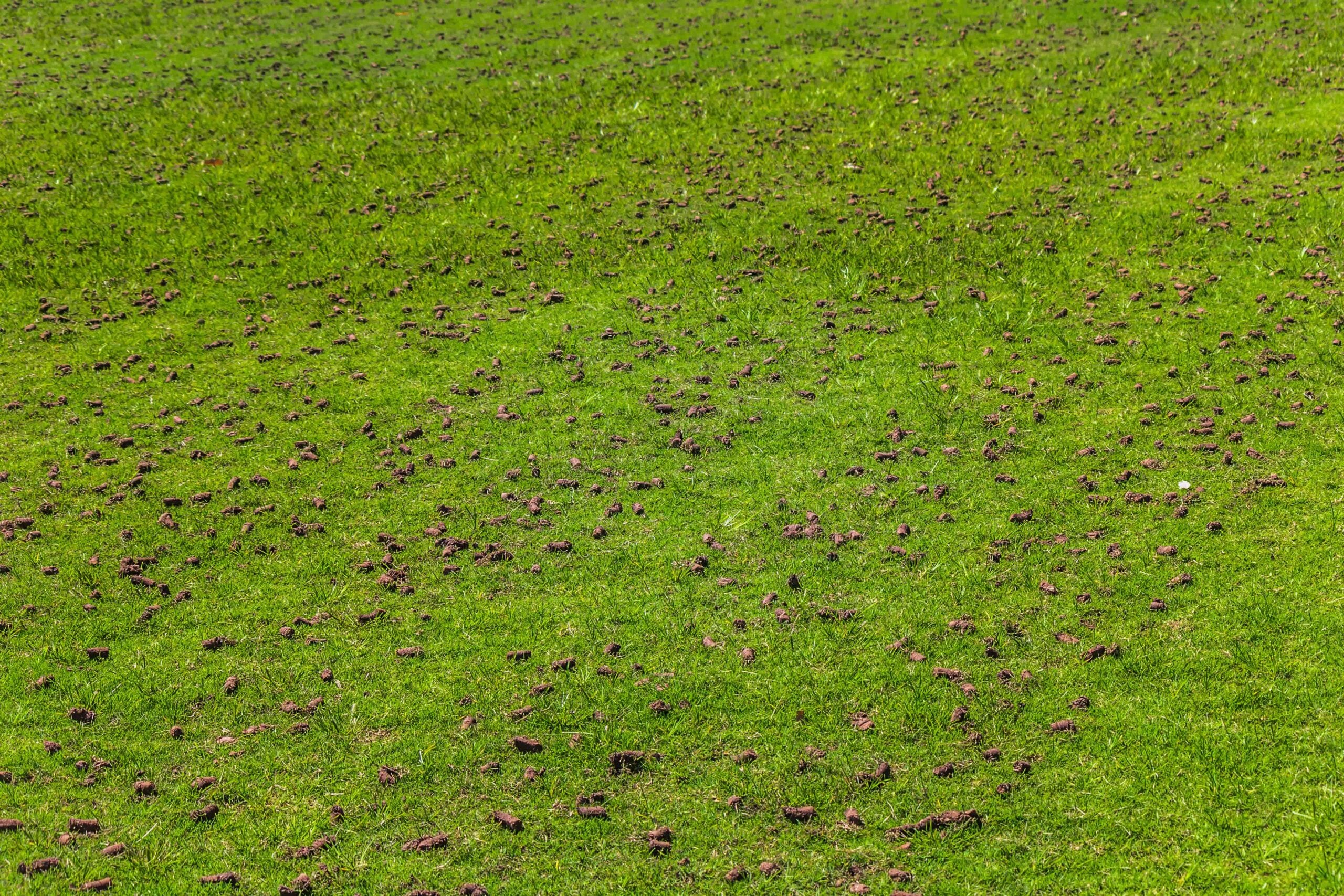
Core aeration pulls small plugs of soil and thatch from the lawn, creating open channels that relieve compaction and improve root breathing. Those hollow cores are the hero here because they invite oxygen, moisture, and fertilizer down to the root zone instead of letting everything sit on the surface. Over-compacted soil is a quiet problem that creeps in from foot traffic, kids, pets, and lawn mowers. When soil is tight, roots stall. Core aeration loosens the squeeze and gets the system moving again. As those plugs break down, they recycle organic matter back into the canopy and feed beneficial microbes. It is not glamorous, but it promotes real soil health. If the lawn has heavy clay, core aeration can be the difference between thin, patchy turf and a thick turf that naturally resists weeds. In places with dramatic freeze-thaw cycles, like Bloomington IL, the relief from compaction heading into winter is even more valuable. Fall is simply when cool-season grasses crave root growth, and aeration opens the door.
Timing And Weather For Fall Aeration
Timing is a bit flexible, so it’s ok to not always be on the ball all the time. The sweet spot lands when daytime temps settle in the cool range and the forecast offers some soft, steady rainfall. Many cool-season lawns sit ready from late September into October. In slightly warmer regions such as Normal IL, aeration can push a bit later, while lawns farther north may lean earlier to dodge early frosts. The aim is simple. Aerate while the grass is actively growing so it can recover fast and bank energy before winter. Skip soggy days and skip bone-dry soil. A light irrigation the day prior helps tines dive cleanly without tearing the turf. If the lawn has an automatic system, schedule a short cycle to moisten the profile without turning it muddy. That moisture sweet spot lets a core aerator pull deeper, more uniform plugs. The result is better airflow, better seed to soil contact if overseeding is on deck, and a lawn that bounces back instead of looking roughed up.
Fall Aeration And Overseeding That Boosts Turf Density
Seed Selection And Soil Contact
Fall aeration pairs naturally with overseeding. Those fresh holes create perfect cradles for new seed, which means better germination and faster thickening. Choose cultivars that match the existing turf and site conditions. For many cool-season lawns, a blend of tall fescue and Kentucky bluegrass balances durability with a fine look. If shade is a factor, shade-tolerant tall fescue varieties often shine. The goal is not just any seed. It is the right seed for the lawn. After aeration, spread the seed around so it filters into the holes and settles against loosened soil. That seed-to-soil contact is everything. A light topdressing with screened compost or a peat blend helps tuck seed in, buffers moisture, and adds a small nutrient kick without overwhelming young roots. It is a simple lawn renovation step that pays off with thicker turf and fewer bare spots where weeds try to slip in.
Watering And Aftercare
Watering after fall aeration and overseeding is through multiple sessions, not a single flood. Think frequent and light watering in the first phase to keep the seedbed consistently damp. We find that starting in the morning is the best time. As seedlings sprout and take hold, gradually stretch the interval and deepen the soak. This encourages roots to chase moisture down rather than hovering near the top. Many find that two short watering cycles in the morning during the first week, tapering to a single deeper cycle, keeps things on track without wasting water. Hold off on aggressive lawn care activities while seedlings establish. That means pausing heavy foot traffic, delaying herbicides that could stress tender shoots, and waiting on any dethatching until future seasons. A gentle first mow once the new grass hits the right height tidies the look and signals the stand to tiller. If a fall fertilizer is part of the plan, choose a balanced, starter-style nutrient source at a modest rate. The combination of oxygenated soil, good seed placement, and measured aftercare does the heavy lifting.
Fall Aeration Tools, Cost, And Service Options
Plug Aerator Vs. Spike Aerator
There is a reason professionals lean on plug aerators. Plug machines remove cores, which directly reduces compaction and builds channels for air and water. Spike tools punch holes but do not remove soil. In tight or clay-heavy lawns, spikes can compress the walls of the holes and make the problem worse. That said, spikes can be handy for a quick refresh on sandy soils or as a short-term touch-up before a light overseed. The difference is in the soil you leave behind. Look at the cores after one pass. Two to three-inch plugs show the tines reached the zone that matters. If plugs are shallow, a second pass in a perpendicular direction can help, especially on areas like play sets or walkways where traffic is high. For homeowners who love a tidy finish, breaking up cores with a rake after they dry a bit spreads organic material back into the canopy. It is oddly satisfying and absolutely useful.
Budget, DIY, And Hiring Considerations
Renting a core aerator is doable, but it is a workout. Machines are heavy, and the learning curve is real. Factor in rental fees, pickup time, fuel, and the hours on the lawn. For small properties, DIY can pencil out. On larger or sloped sites, or for anyone with a full calendar, hiring a lawn maintenance service often ends up the better value. Crews roll in with commercial equipment, dial in depth, and finish the property before most folks can get the machine unloaded. There is also less risk to irrigation heads or invisible dog fences when technicians know where to look. Pricing varies with lawn size, access, and add-ons like overseeding or topdressing. Many choose a fall package that bundles core aeration with seed and starter nutrition so everything works together. In markets with dense clay, some lawns benefit from a second annual aeration, spaced out in spring or very early fall. The theme is simple and practical. Match the approach to the soil, the budget, and the time available, then stick with it each year for compounding results.
Conclusion
Fall aeration asks for one well-timed push, then it quietly pays you back all season with deeper roots, fewer bare patches, and a lawn that handles winter like a champ.
If the schedule feels packed or the yard needs a pro touch, JT’s Lawn Care and Landscaping makes the whole process smooth from start to finish. Contact us for a friendly estimate, share what the lawn has been through this year, and let the team build a simple plan that fits your yard and your week.

"*" indicates required fields
★★★★★
Super personable, affordable, and attention to quality work. Thanks, JT’s!
- Amy Shreves
Young guys were friendly and did a great job for us. I would recommend their services to anyone needing landscaping or lawn care.
- Starkey Hedger
Scott was amazing! He was extremely helpful, kind, and professional. He walked us through every step of what needed to be done. He was very knowledgeable and went above and beyond. The crew came out and were fast, efficient, and very kind. We will continue to use them!
- Jennifer Garcia
These guys are awesome!
- Jared Hobson
We had the landscape curbing done around our pool and love it. Jake and his crew did a fantastic job.
-Traci Hartwig
SERVICES
Landscape Curbing
Landscaping
Pavers
Hardscaping
Retaining Walls
Patios
Sod Installation
Drainage
Retaining Walls
Softscape
Lawn Fertilization
Aeration
Landscape Installation
Mulching
Outdoor Living Spaces
Snow Removal
French Drains
Land clearing
Fall cleanup
Grading
Resloping
Planting
Tree Trimming
Tree Pruning
Erosion Control
Firepit Features
SERVICE AREAS
Bloomington, IL
Normal, IL
Le Roy, IL
Peoria, IL
Downs, IL
Mahomet, IL
Champaign, IL
Fisher, IL
Urbana, IL
Clinton, IL
Gibson City, IL
Maroa, IL
Monticello, IL
Forsyth, IL
Rantoul, IL
Savoy, IL
Lincoln, IL
Decatur, IL
Pontiac, IL
Morton, IL
