(309) 275 2314
 info@jtslawncare.biz

Hardscaping Can Work Well In June Illinois Weather
Why Patios Benefit From Summer Access
One reason homeowners start hardscaping in June is that the yard is easier to use, measure, and picture in real life. The family already knows where the grill ends up, where the afternoon sun hits, and where chairs feel cramped during a weekend meal. A contractor can also see footpaths, low areas, worn turf, and drainage clues much more easily than they can in late winter. Hardscaping is not just stone, block, and gravel. It is really about how people move through the yard, gather outside, and enjoy the space without constantly fighting the layout.
For patios, summer access can be a major advantage because the design can match how the family is already using the yard. A homeowner may realize the dining table needs more room, or that a fire pit area should sit farther from the back door than they first imagined. In Le Roy, IL, June can also show how quickly spring moisture turns into hot summer use, which matters when planning material, shade, and walkway placement. During June 2025, the National Weather Service in Lincoln, IL, reported monthly rainfall of around 2 to 5 inches across much of central Illinois, with more active rainfall earlier in the month. That kind of weather makes drainage and timing worth looking at before a project begins.
When Le Roy, IL Soil Needs A Closer Look
Illinois soil can be helpful and frustrating at the same time. After rain, low spots can reveal where water collects, giving homeowners and contractors useful information before hardscaping begins. But if the soil stays too wet, digging and equipment can leave ruts, compact the ground, or make base prep harder than it needs to be. Patios built over a soft or poorly prepared base can settle, shift, or show uneven joints later. This is why a good crew pays attention to the ground before rushing into excavation.
Drainage is one of those things that may not look exciting, but it can make or break the finished space. In our experience, poorly draining soil has smaller pore spaces and holds water longer. Percolation testing should also not be done when the soil is overly wet, as the results can be misleading. A drainage rate of less than 1 inch per hour is considered poor drainage, which matters when planning patios, walkways, and other hardscaping features. Waiting for the right soil condition can protect the finished project and the surrounding lawn. This is where working with a fully licensed and insured crew is helpful, because they should know when to move forward and when the site needs a little more time.
Hardscaping Costs Can Feel Easier To Plan In Summer
Patios May Fit Daily Family Use
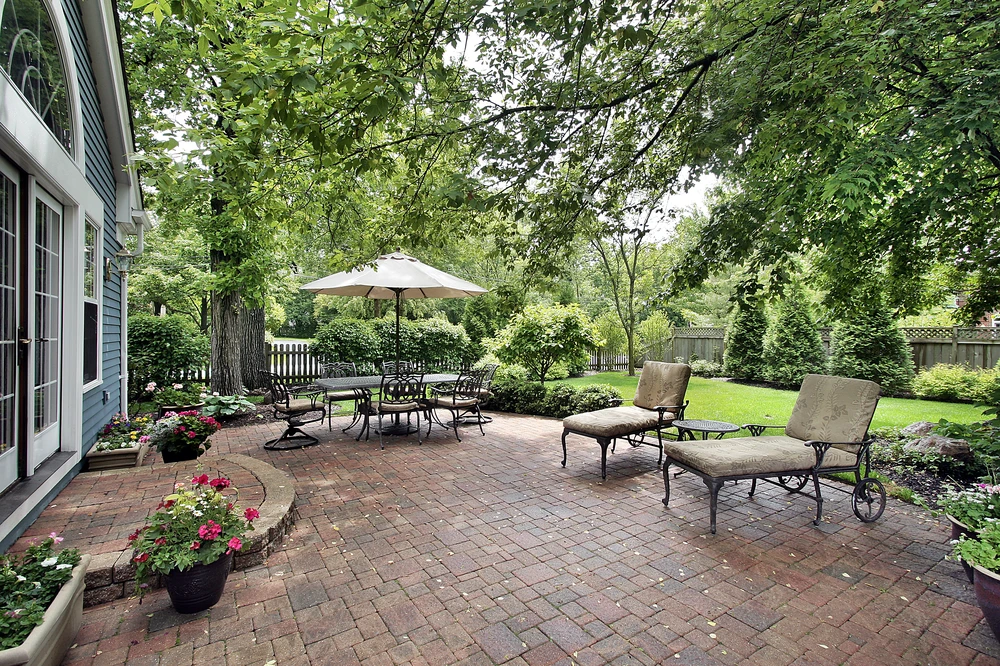
A patio has to fit real family life, not just look nice in a drawing. For many homeowners, patios become the place where kids drop towels, adults set down drinks, dogs wander through, and dinner somehow moves outside without much planning. June gives families a clearer view of how the space is actually used during warm weather. Someone may notice that the current concrete slab is too small, or that a paver walkway would make more sense from the driveway than from the side gate. This makes hardscaping feel less like guesswork and more like a practical choice.
Another benefit is that a June project can often be enjoyed in the same season it is built. Compared with waiting until late fall, homeowners may have more time for cookouts, birthdays, evening meals, and simple weekend outings before cold weather returns. The drawback is that good hardscaping still takes time, especially when excavation, base stone, edge restraints, grading, and surface material all need to be done correctly. If a project is rushed for one summer event, important parts may get squeezed. It is usually better to build a smaller area well than to stretch the budget too far and end up with repairs sooner than expected.
Budget Surprises Around Le Roy, IL
Starting in June can help with the budget because many cost factors are easier to see. Access points, slope, old concrete removal, buried utilities, material choice, drainage correction, and the amount of base needed can all change the final price. Competitive pricing should not mean cutting out the parts that keep the project strong. In hardscaping, the layers under the surface often protect the surface everyone sees. Homeowners around Le Roy, IL should ask how the base, edges, grading, and water movement are included in the estimate.
The con is that outdoor projects can grow quickly once ideas start coming together. Natural stone, seat walls, steps, lighting, larger paver patterns, and added walkways can all raise the price. That does not mean the dream yard is out of reach. Smaller patios, phased installs, or simpler material choices can still create a finished space that feels useful and cared for. A contractor who respects the budget can explain what matters now, what can wait, and what would be risky to cut.
Hardscaping Needs Careful Drainage Before Illinois Storms
Patios Need More Than A Flat Base
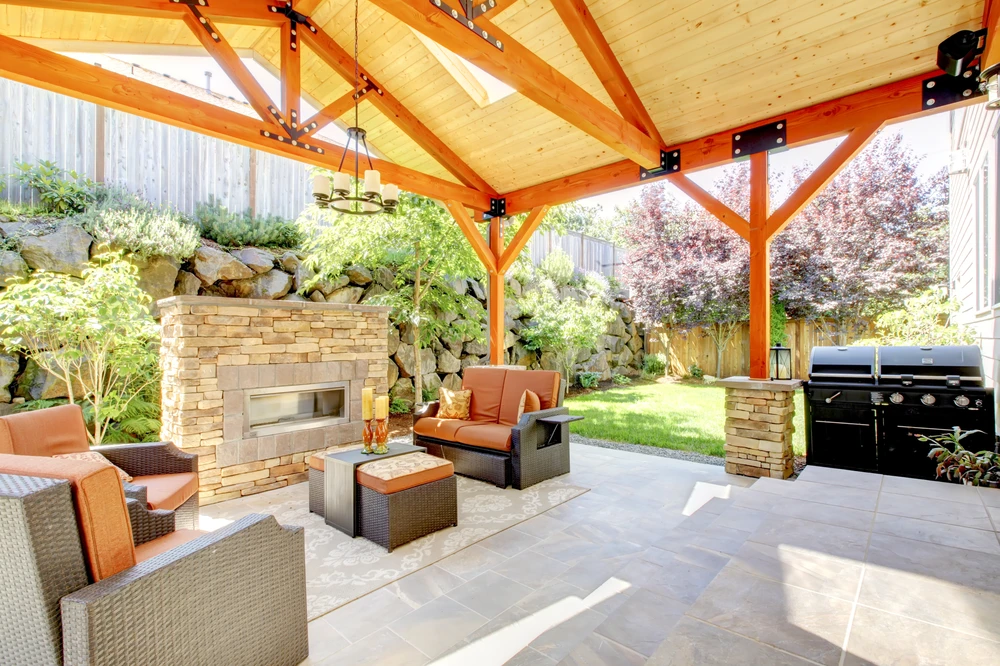
A paver patio may look flat at first, but it should never be built like a plate that holds water. It needs the right slope away from the home, along with a base that can drain and stay compacted. Illinois Extension notes that working wet soils can increase compaction, which is one of the factors that affect how water moves through soil. For hardscaping, that means water needs a planned route before pavers, gravel, walls, or steps are installed. Without that planning, water can sit under the surface and cause movement over time.
The benefit of starting in June is that stormwater problems are often easier to spot. Downspouts, sump discharge, worn walking paths, bare soil, and soggy corners can all point to where water naturally wants to go. The drawback is that storms can delay work and make open excavation messier. This does not mean June is a bad month for hardscaping. It just means the project needs to be planned around the yard’s real conditions, not just the dates a calendar says they should be.
Le Roy, IL Freeze And Thaw Concerns
Illinois homeowners also need to think beyond summer weather. Based on past weather patterns in Illinois, a frost-depth study found that observed frost depths ranged from 5 inches in far southern Illinois to 30 inches in far northern Illinois. That is why hardscaping is not only a warm-weather project, even when it starts in June. Base depth, compaction, drainage, edge restraints, and material choice all help a paver surface handle winter movement. In Le Roy, IL, a patio may look beautiful in August, but it still needs to be ready for freezing weather later.
The upside of summer hardscaping is that crews can prepare the site before frozen ground becomes an issue. There is time to properly excavate, compact the base, check the slope, and make better decisions before the ground hardens. The drawback is that homeowners may focus so much on furniture, color, and summer gatherings that winter performance gets forgotten. A pretty patio that does not drain well can shift, heave, or hold ice in the wrong areas. A licensed team should explain why the base matters, even if it is not the most exciting part of the project.
Conclusion
Starting hardscaping in Illinois during June can be a great choice when the site is dry enough, the layout is clear, and the project is planned with drainage in mind. It also has real cons, from wet soil and hot work days to busy contractor schedules, budget changes, and winter durability concerns. At JT’s Lawn Care & Landscaping, we understand that homeowners want outdoor spaces that fit their family, their budget, and the way they actually use their yard. We bring family care, competitive pricing, and fully licensed and insured service to every project, whether you are thinking about patios, walkways, or a larger yard upgrade in Le Roy, IL. Contact us today, and we’ll be happy to help you decide whether now is the right time to start your hardscaping project.
Are you thinking about starting a hardscaping project in Illinois this summer? It can feel exciting to picture paver walkways, fire pits, sitting walls, and patios right where plain grass or old concrete is now. But this may be your first time dealing with base prep, drainage, pricing, and timing, so it is normal to wonder if June is actually a smart month to begin. This blog will walk through the real pros and cons so you can feel more prepared before the first shovel touches the ground.
Hardscaping Can Work Well In June Illinois Weather
Why Patios Benefit From Summer Access
One reason homeowners start hardscaping in June is that the yard is easier to use, measure, and picture in real life. The family already knows where the grill ends up, where the afternoon sun hits, and where chairs feel cramped during a weekend meal. A contractor can also see footpaths, low areas, worn turf, and drainage clues much more easily than they can in late winter. Hardscaping is not just stone, block, and gravel. It is really about how people move through the yard, gather outside, and enjoy the space without constantly fighting the layout.
For patios, summer access can be a major advantage because the design can match how the family is already using the yard. A homeowner may realize the dining table needs more room, or that a fire pit area should sit farther from the back door than they first imagined. In Le Roy, IL, June can also show how quickly spring moisture turns into hot summer use, which matters when planning material, shade, and walkway placement. During June 2025, the National Weather Service in Lincoln, IL, reported monthly rainfall of around 2 to 5 inches across much of central Illinois, with more active rainfall earlier in the month. That kind of weather makes drainage and timing worth looking at before a project begins.
When Le Roy, IL Soil Needs A Closer Look
Illinois soil can be helpful and frustrating at the same time. After rain, low spots can reveal where water collects, giving homeowners and contractors useful information before hardscaping begins. But if the soil stays too wet, digging and equipment can leave ruts, compact the ground, or make base prep harder than it needs to be. Patios built over a soft or poorly prepared base can settle, shift, or show uneven joints later. This is why a good crew pays attention to the ground before rushing into excavation.
Drainage is one of those things that may not look exciting, but it can make or break the finished space. In our experience, poorly draining soil has smaller pore spaces and holds water longer. Percolation testing should also not be done when the soil is overly wet, as the results can be misleading. A drainage rate of less than 1 inch per hour is considered poor drainage, which matters when planning patios, walkways, and other hardscaping features. Waiting for the right soil condition can protect the finished project and the surrounding lawn. This is where working with a fully licensed and insured crew is helpful, because they should know when to move forward and when the site needs a little more time.
Hardscaping Costs Can Feel Easier To Plan In Summer
Patios May Fit Daily Family Use
A patio has to fit real family life, not just look nice in a drawing. For many homeowners, patios become the place where kids drop towels, adults set down drinks, dogs wander through, and dinner somehow moves outside without much planning. June gives families a clearer view of how the space is actually used during warm weather. Someone may notice that the current concrete slab is too small, or that a paver walkway would make more sense from the driveway than from the side gate. This makes hardscaping feel less like guesswork and more like a practical choice.
Another benefit is that a June project can often be enjoyed in the same season it is built. Compared with waiting until late fall, homeowners may have more time for cookouts, birthdays, evening meals, and simple weekend outings before cold weather returns. The drawback is that good hardscaping still takes time, especially when excavation, base stone, edge restraints, grading, and surface material all need to be done correctly. If a project is rushed for one summer event, important parts may get squeezed. It is usually better to build a smaller area well than to stretch the budget too far and end up with repairs sooner than expected.
Budget Surprises Around Le Roy, IL
Starting in June can help with the budget because many cost factors are easier to see. Access points, slope, old concrete removal, buried utilities, material choice, drainage correction, and the amount of base needed can all change the final price. Competitive pricing should not mean cutting out the parts that keep the project strong. In hardscaping, the layers under the surface often protect the surface everyone sees. Homeowners around Le Roy, IL should ask how the base, edges, grading, and water movement are included in the estimate.
The con is that outdoor projects can grow quickly once ideas start coming together. Natural stone, seat walls, steps, lighting, larger paver patterns, and added walkways can all raise the price. That does not mean the dream yard is out of reach. Smaller patios, phased installs, or simpler material choices can still create a finished space that feels useful and cared for. A contractor who respects the budget can explain what matters now, what can wait, and what would be risky to cut.
Hardscaping Needs Careful Drainage Before Illinois Storms
Patios Need More Than A Flat Base
A paver patio may look flat at first, but it should never be built like a plate that holds water. It needs the right slope away from the home, along with a base that can drain and stay compacted. Illinois Extension notes that working wet soils can increase compaction, which is one of the factors that affect how water moves through soil. For hardscaping, that means water needs a planned route before pavers, gravel, walls, or steps are installed. Without that planning, water can sit under the surface and cause movement over time.
The benefit of starting in June is that stormwater problems are often easier to spot. Downspouts, sump discharge, worn walking paths, bare soil, and soggy corners can all point to where water naturally wants to go. The drawback is that storms can delay work and make open excavation messier. This does not mean June is a bad month for hardscaping. It just means the project needs to be planned around the yard’s real conditions, not just the dates a calendar says they should be.
Le Roy, IL Freeze And Thaw Concerns
Illinois homeowners also need to think beyond summer weather. Based on past weather patterns in Illinois, a frost-depth study found that observed frost depths ranged from 5 inches in far southern Illinois to 30 inches in far northern Illinois. That is why hardscaping is not only a warm-weather project, even when it starts in June. Base depth, compaction, drainage, edge restraints, and material choice all help a paver surface handle winter movement. In Le Roy, IL, a patio may look beautiful in August, but it still needs to be ready for freezing weather later.
The upside of summer hardscaping is that crews can prepare the site before frozen ground becomes an issue. There is time to properly excavate, compact the base, check the slope, and make better decisions before the ground hardens. The drawback is that homeowners may focus so much on furniture, color, and summer gatherings that winter performance gets forgotten. A pretty patio that does not drain well can shift, heave, or hold ice in the wrong areas. A licensed team should explain why the base matters, even if it is not the most exciting part of the project.
Conclusion
Starting hardscaping in Illinois during June can be a great choice when the site is dry enough, the layout is clear, and the project is planned with drainage in mind. It also has real cons, from wet soil and hot work days to busy contractor schedules, budget changes, and winter durability concerns. At JT’s Lawn Care & Landscaping, we understand that homeowners want outdoor spaces that fit their family, their budget, and the way they actually use their yard. We bring family care, competitive pricing, and fully licensed and insured service to every project, whether you are thinking about patios, walkways, or a larger yard upgrade in Le Roy, IL. Contact us today, and we’ll be happy to help you decide whether now is the right time to start your hardscaping project.