(309) 275 2314
 info@jtslawncare.biz

Late winter can make a yard look ready when it really is not. One warmer afternoon shows up, the snow melts back, and suddenly it feels like planting and mulching should happen right away. But in central Illinois, February still has surprises, and the yard gives better signals than the calendar does. This blog shares simple signs to watch for so homeowners can make landscaping choices that hold up once spring truly arrives.
Preparing Illinois Soil for Spring Landscaping
Mulching After Freeze Thaw: The Touch Test
The first clue is underfoot. When the ground is still frozen below the surface, even if it looks soft on top, mulching can turn into a messy layer that shifts with the next thaw. A homeowner can do a simple touch test by pressing a hand into a bed edge and feeling if the soil is cold and slick, or crumbly and workable. If it smears like clay on a glove, it is usually too early for mulching because the soil is still holding winter moisture. That is also when footprints leave deep marks that last for days, which is a signal that the yard needs more drying time. In Le Roy, IL, this shows up fast around downspouts and shaded corners, even when the sunny parts seem ready.
Once the soil starts breaking apart instead of smearing, mulching begins to make sense. It means the bed can accept a fresh layer without trapping too much moisture against stems and crowns. For landscaping, this timing matters because mulch is intended to protect plants and soil, not create a wet blanket that invites rot. Homeowners often notice the change after a few breezy days, when the top inch dries, and the yard stops looking muddy along the edges. It also helps to look near patios, where the ground warms up more quickly and can fool people into thinking the whole yard is ready.
Planting Signs: Roots Want Air, Not Mud
Planting is similar, but it comes with higher stakes. If roots go into cold, waterlogged soil, they sit there and do not settle in well. One sign the yard is ready for planting is when a small test hole does not fill with water, and the soil holds its shape without collapsing into slime. Another sign is how the yard drains after a regular rain. If puddles disappear within a day, the ground is starting to open up. If water stays in the same spots, planting should be delayed, or those areas need a different plan.
It also helps to watch existing plants before adding new ones. When buds on shrubs begin swelling, and perennials start showing tiny tips, it suggests the soil is warming. That does not mean planting needs to happen that same day, but it does mean landscaping work can start being scheduled with more confidence. February’s freeze-thaw cycles can cause slight heaving in garden beds, pushing roots up. This ground movement is a warning sign that planting now may lead to settling problems later. A safer approach is to wait until the soil stays more consistent from morning to afternoon, then planting becomes much more reliable.

Effective Bed Cleanup Before Your Landscaping Starts
Mulching Edges That Stay Put After Rain
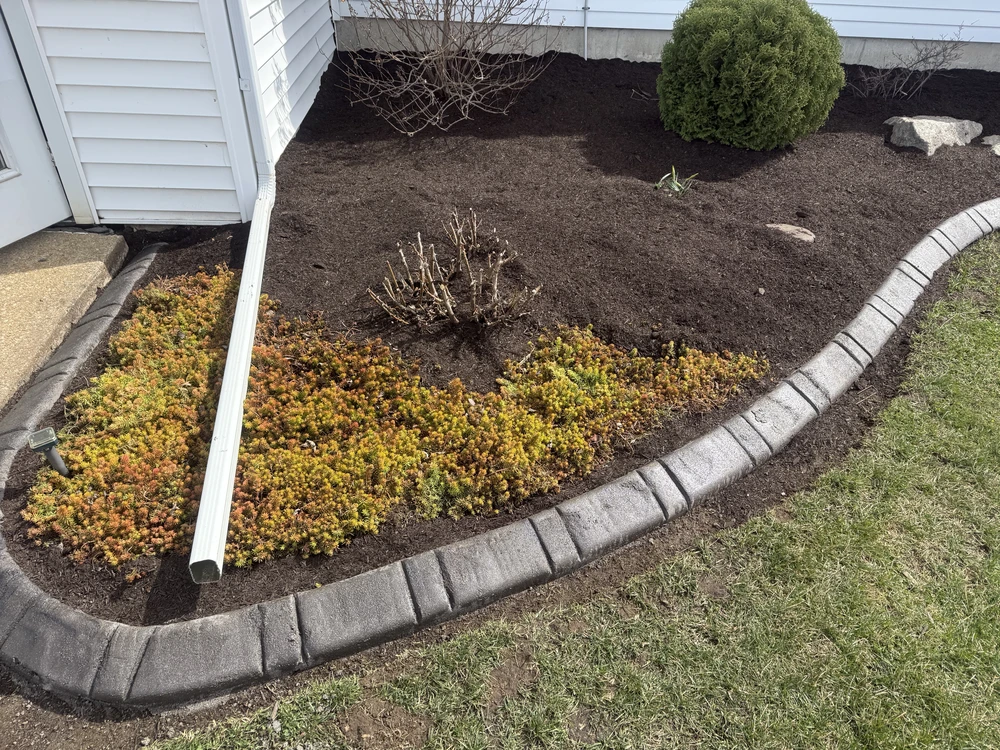
Before mulching goes down, beds need to look like beds again. February wind and melting snow push leaves, sticks, and gravel right into the wrong places. When that debris stays in the bed line, mulch tends to blend with it, and everything looks mixed together. A quick cleanup helps the soil warm evenly and gives mulching a cleaner finish. This is also a good time for homeowners to check whether the bed line is still clear or if grass has crept in. Clean edges are one of those landscaping details that make the entire yard look more cared for.
This is where landscape curbing can help straightforwardly. Even a small border keeps mulch from sliding into the lawn and makes the bed easier to define as growth starts to show. If the yard has slopes or runoff areas, mulching should be held until the ground is dry enough to keep the layer in place; otherwise, the first heavy rain can move it. A homeowner will usually notice the timing is right when the soil surface looks firm, and the bed line holds its shape after a light rake.
Planting Plans That Match Sun And Drainage
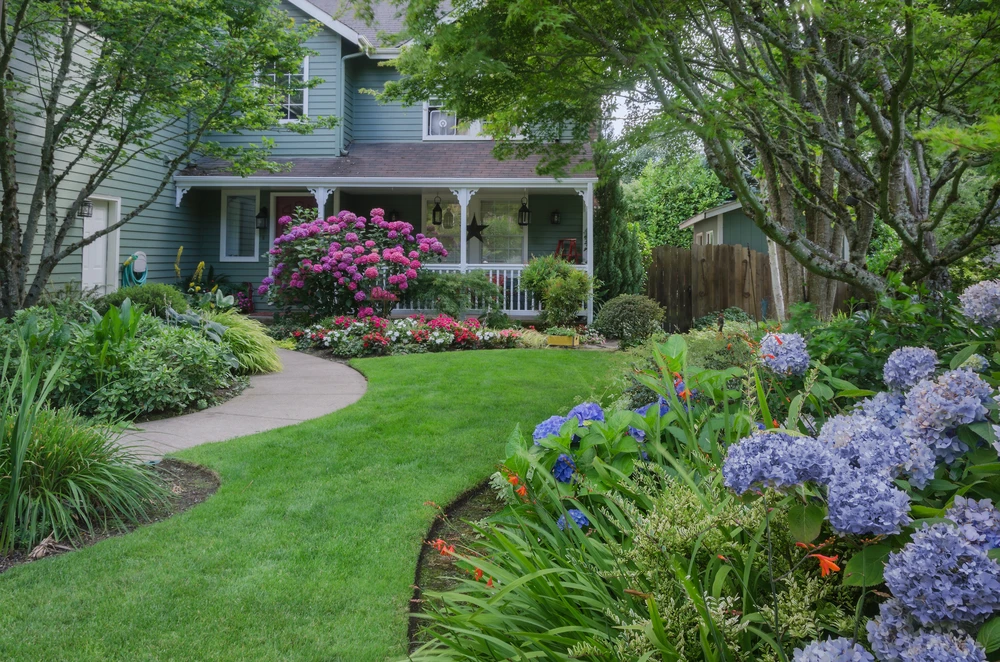
The yard gives signs not only about timing, but also about placement. In February, shaded areas often stay damp while sunny spots dry sooner, and that difference matters for planting. If a homeowner places a sun-loving plant in a spot that stays wet and cool, it will struggle, no matter how nice it looks in there. A good landscaping plan starts with noticing sun, shade, and drainage patterns. Those are like a map for spring planting, showing which areas support a plant and which need a different choice.
This is also where families can get more function out of their yard. Avoid planting in high-traffic areas, such as play spaces or dog runs, to protect young plants from being crushed. If a walkway is prone to mud after a thaw, address drainage issues before planting, as it could worsen the problem. Homeowners can even use the first lawn mowing of the season as a clue, because it usually means the lawn has dried enough to handle foot traffic without sinking.
Strategic Landscaping Steps for the Illinois Spring
Mulching For Moisture And Cleaner Beds
When spring gets closer, the yard starts changing in small ways. Soil begins to smell more earthy, and minor signs of life show up along bed edges. That is when mulching supports the season by holding moisture once warmer days arrive. It also reduces splash onto plants during storms, keeping beds cleaner. For landscaping, mulch can be protective, but only when applied at the right time and to a sensible depth. Too early, and it can hold too much moisture. Too late, and weeds may already be winning the space.
Homeowners can also consider how often they feel the need to make their beds. If the same winter debris keeps turning up, it usually means the yard is still in that late-winter stage, when wind and melting snow are doing most of the moving around. Once things settle and the bed stays clean for a week, mulching tends to last longer and look better. In Le Roy, IL, this timing can vary from one yard to another, depending on tree cover and how much sun reaches the beds. The best landscaping approach is to treat the yard like its own little climate, not like the neighbor’s schedule.
Planting Windows For Trees And Perennials
Planting windows vary depending on what is being grown. Trees can often be planted earlier than tender flowers, as long as the soil is workable and not waterlogged. Perennials can be added once the ground is more stable and the freeze-thaw cycles slow down. A homeowner can watch nighttime temperatures as a clue, because warm afternoons matter less if nights keep dropping hard. When the yard starts holding mild temperatures through the evening, planting becomes less risky. It is not about rushing; it is about protecting the investment in new plants.
Another easy sign is how the soil breaks apart with a shovel. If it comes up in heavy slabs and stays glued together, planting will be harder on the roots and harder on the homeowner’s back. If it breaks into smaller pieces and can be tucked back around a plant without leaving significant air gaps, the yard is closer to ready. In Bloomington, IL, this is often the moment when homeowners start thinking about refreshing beds near the front entry, because the yard finally looks like it is coming back. Landscaping work is more successful when it is done on a day when the ground is workable, and the forecast is not calling for a cold snap right after.
Conclusion
Reading a yard’s signs takes some patience, but it also prevents a lot of wasted effort. When homeowners watch soil texture, drainage, and how the beds behave after a thaw, landscaping decisions start feeling much clearer. That is the difference between mulch and planting that actually endures, versus work that needs to be redone a month later. We at JT's Lawn Care & Landscaping LLC help families make those calls with care. If the yard is sending mixed signals, contact us, and we will help you choose the right timing for a spring landscaping plan that fits your home.