(309) 275 2314
 info@jtslawncare.biz

In Bloomington IL, late winter can make landscape beds look rough. Leaves get packed down, stems snap under snow, and the bed edge can disappear into the lawn. Homeowners usually notice it first when the sun hits the yard again, and suddenly everything looks messy, even if nothing is actually “wrong.” If a cleaner spring start sounds good, keep reading, and this will help map out what to do and when.
Landscaping Bed Refresh Steps That Set Up A Cleaner Spring Start
Mulch Timing For Late Winter Bed Cleanup Tips
Late winter landscaping work in Bloomington IL, is all about timing. If a homeowner spreads mulch too early on frozen ground, it can shift with thawing, leaving it thin in some spots and piled in others. If they wait too long, weeds and early spring growth may already be popping up. A good rule is to plan the mulch refresh for a stretch when the ground is no longer rock hard, but the garden still has time before spring growth takes over. That usually lines up with the later part of winter into early spring, depending on how the weather swings that year.
Mulch is not only there to look nice; it also helps protect roots during those freeze-and-thaw cycles that Central Illinois is known for. A homeowner can rake old mulch gently to break up the crust, pull out sticks and leaves, then add a thin, fresh layer where it has worn down. In many Bloomington IL, beds, the problem is “no mulch” because the old layer is mixed with soil and debris. Fresh mulch can restore that finished look quickly andhelps keep soil from splashing onto plants during early spring rains.
Trimming Perennials For A Neater Spring Start
Trimming is where many overgrown landscape beds start to turn around, but it needs a careful hand in late winter. Some perennials can be cut back now, especially if the stems are clearly dead and brittle, but others should be left alone until new growth shows. A homeowner in Bloomington IL, might see ornamental grasses, sedum stems, or daylily leaves that look tired and flattened, and that is usually a safe place to begin. Cutting down the old material opens up light and airflow so that spring growth can come in healthier.
Shrubs and small ornamentals often need trimming too, but it should be done with the plant’s shape and health in mind, not just to make everything short. If a shrub is already stressed from winter, heavy trimming can create more problems than it solves. A better late winter approach is to remove broken branches, thin out crossing stems, and clean up the outline so it does not look wild when spring arrives. This is also the moment to remove any stems that are rubbing against the siding or blocking pathways.
Landscaping Bed Edges: Define Lines Before Growth
Mulch Depth That Blocks Weeds, Not Plants
Depth matters more than most people think. In Bloomington IL, a bed might have mulch in it, but if the layer is too thin, weeds still find their way through, and if it is too thick, some plants can struggle. For most beds, a fresh mulch layer of about 2 inches is usually enough to improve the look and help with weed control without smothering roots. The goal is to create coverage, not a mound. A homeowner should also keep mulch pulled back slightly from the base of shrubs and perennials so moisture does not sit against the stems.
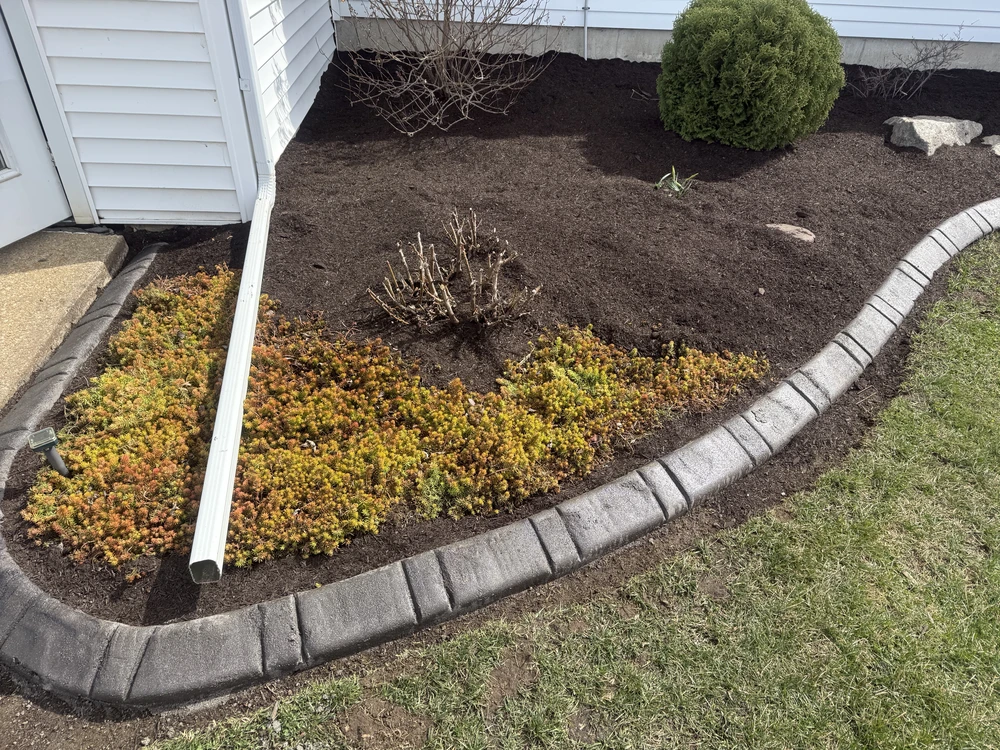
Overgrown beds often have mulch that has crept into the lawn or spilled over the edge. That is where redefining the bed line really changes the whole yard’s look. When the edge is crisp, mulch stays where it belongs, and the bed looks like a real feature instead of a messy corner. Some homeowners like the clean boundary of landscape curbing because it keeps materials separated and reduces the need to re-cut edges each year. Others prefer a natural edge, but either way, it needs to be re-established now so spring mowing does not chew into the bed.
Trimming Shrubs For Shape, Then Spring Blooms
Many shrubs in Central Illinois are set up for late winter trimming, but the type of shrub matters. Some bloom on old wood, meaning they set buds the year before, and heavy trimming now can remove the flowers that would have shown up in spring. Others bloom on new wood and handle late winter shaping just fine. That is why a homeowner should identify the plant first, even if it is just a quick check, because trimming at the wrong time can be disappointing.
Late winter is also a good time to thin dense shrubs. When a shrub is packed tight, it holds moisture and can lead to disease once spring rains arrive. Removing a few interior branches can help air move through the plant and improve its shape without making it look bare. This is also a good moment to remove branches that are crowding the walkway or pushing into the driveway edge.
Prevent Spring Mess with Late Winter Landscaping Cleanup
Mulch Touch-Ups After Thaw Before Rains Again
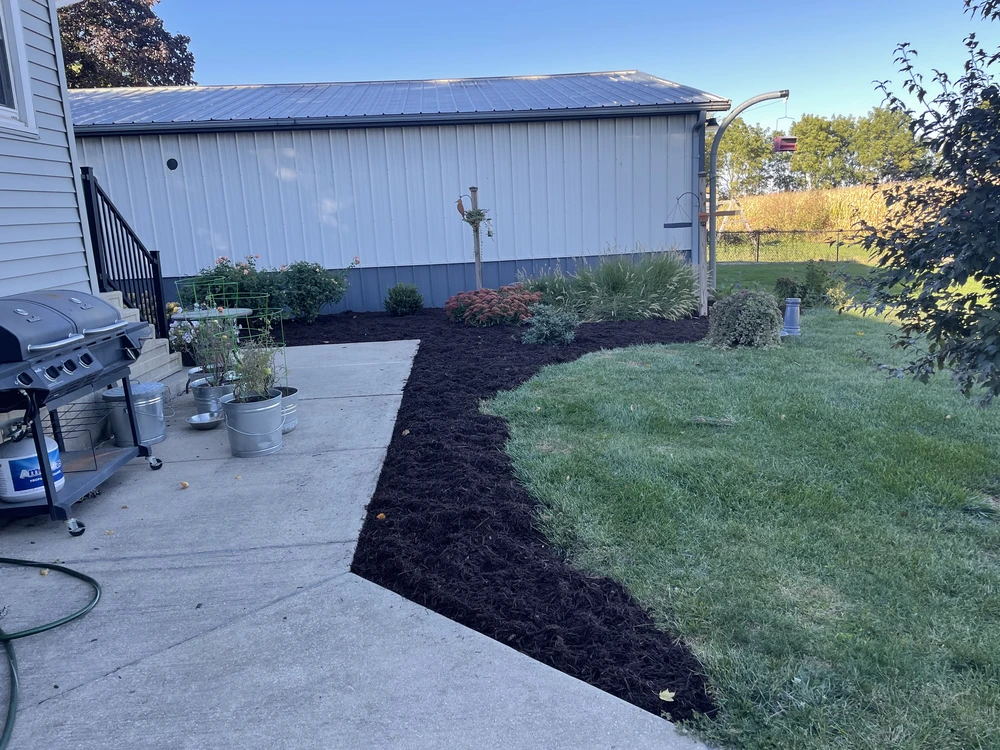
Late winter in Bloomington IL, can bring messy stretches where snow melts, then rain hits, then it freezes again. That back-and-forth is brutal on beds, especially if leaves and debris have been sitting there all season. When the thaw starts, it is a good time for a homeowner to clean out what has collected in the bed, because once spring rains ramp up, that debris turns into a soggy layer that smothers plants. After that cleanup, mulch touch-ups help the bed look neat again and protect the soil. It also makes the space look ready, even if spring still feels far away.
A homeowner does not need to replace all mulch every year, and in many cases, they should not. If there is still decent material in the bed, it can be fluffed and leveled, then topped lightly. This saves money and keeps the bed from building up too high over time. With wise landscaping choices, the yard stays easier to manage once the weather finally warms up. The best part is that this kind of refresh usually shows results right away.
Trimming Out Dead Stems So New Shoots Show Up
The last part of a late winter bed refresh is the cleanup and trimming that makes spring growth look better. Old stems and dead leaves can hide new shoots, and when they are left in place too long, they can trap moisture and invite pests. A homeowner can cut dead perennial stems down to a few inches, remove broken pieces, and expel matted plant material pressed into the soil. It is essential to watch for early growth at the base because in Bloomington IL, some plants wake up as soon as the sun sticks around for a few days.
This is also a good time to tidy up the small details that often get missed during the busy season. Pulling back groundcover that has spread into pathways, removing vines that grabbed onto shrubs, and trimming back branches that hang low can all change how the bed feels. Late winter is the best chance to reset the bed before spring growth hides the problems again. By the time the first really warm week hits Bloomington IL, the yard looks like it is already ahead.

Conclusion
Overgrown beds do not need a complete rebuild to look clean again, especially in late winter when the right work goes a long way. A careful mix of trimming, debris removal, and a mulch refresh can make Bloomington IL, landscaping look sharper before spring, and help plants come back healthier. If a homeowner wants help getting their beds reset for spring, we at JT's Lawn Care & Landscaping LLC would love to take a look. We are fully licensed and insured, keep pricing competitive, and treat every yard as if it were family. Reach out anytime to talk about a late-winter refresh.