(309) 275 2314
 info@jtslawncare.biz

Are you trying to make your yard easier to use after dark, but not sure where to start? Landscape lighting can make a big difference, especially when the first areas are chosen with safety, daily use, and the yard’s shape in mind. This kind of planning matters for both landscaping and hardscaping because people need to see where they are walking, sitting, and stepping. A yard in Bloomington, IL, may need extra care near older walkways and mature plantings. A home in Normal, IL, may need better visibility around entries, side yards, or outdoor living spaces. This blog will walk through where to add lights first so the yard feels more useful after sunset.
Landscape Lighting for Safer Daily Paths
Landscaping Tips for Walkways and Steps
The first place many homeowners should consider landscape lighting is along the main walking areas. This includes the route from the driveway to the front door, the walk from the sidewalk, and any steps that change height near the porch. These are the areas people use without thinking much about them, which is exactly why they deserve attention first. When a visitor arrives after dark, they should not have to guess where the walkway begins or where a step drops down. Good lighting does not need to be harsh to help; it just needs to show the edges clearly.
In May, people start using their yards more often in the evening, especially after work or after kids’ activities. A front walkway that was easy to see in winter at 5 p.m. may feel different once spring schedules get busy. This is where thoughtful landscaping choices make the home feel more prepared for real life. Small path lights can guide movement without making the yard feel overdone. The goal is to make the most common route safer before adding lights in mostly decorative places.
Improve Hardscaping Visibility at Night
Driveways are another smart place to start with landscape lighting because they connect the street, garage, walkway, and home entry. If a driveway has a curve, slope, or side entrance, low lighting can help people see where the pavement ends and the turf begins. This is especially helpful for families carrying groceries, walking with children, or welcoming older relatives in the evening. It can also make it easier to spot toys, garden hoses, and small objects before someone trips over them. Driveway lighting should feel useful first and decorative second.
Not every corner of the yard needs lighting right away. Some homeowners make the mistake of starting with the most dramatic tree or back fence line before fixing the areas they walk through every day. That can look nice from the window, but it does not always improve visibility where it matters most. Landscape lighting works best when it starts with the places people actually use. Once those areas are easier to move through, the rest of the plan becomes much easier to build.
Landscape Lighting for Patio Edges
Find the Edge of Hardscaping Areas First
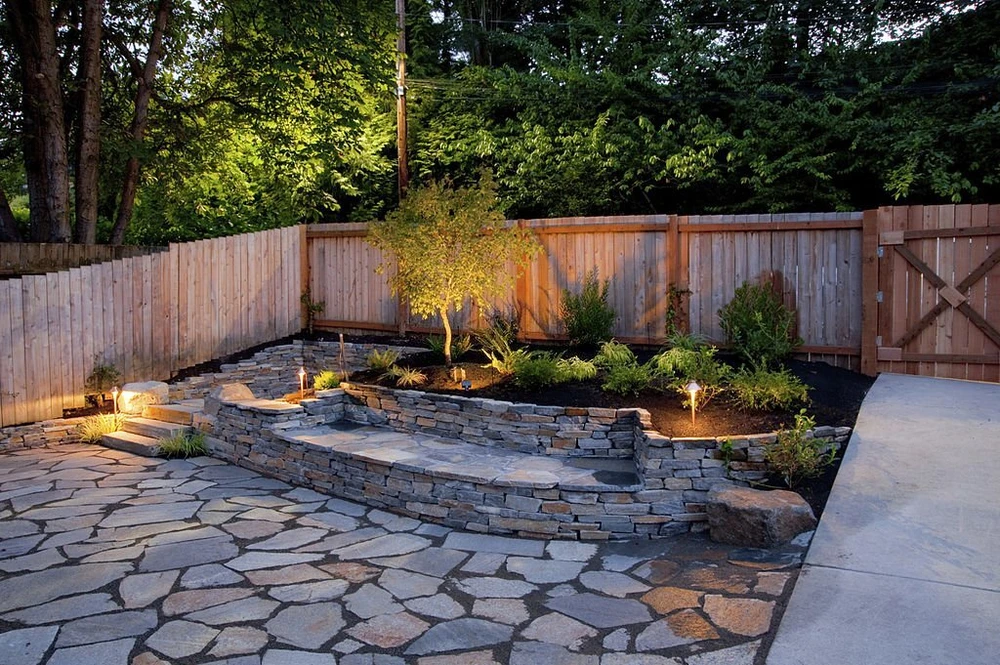
Once the main walking routes are covered, the next place to consider is any outdoor sitting area. Patios can be easy to enjoy during the day, but their edges can become hard to read once the sun goes down. This is why landscape lighting near seating areas should help people see chair legs, furniture edges, and the way back to the house. A soft glow around the edge can make the space easier to use without making it feel like a parking lot. Good lighting should support the space, not take over the whole yard.
Hardscaping areas deserve extra care because stone, concrete, pavers, and steps can create small height changes. These changes may look simple during the day, but they can surprise people after dark. A raised edge, a small retaining wall, or a single step down from a sitting area can become a trip hazard. In Bloomington, IL, many homes have outdoor spaces that were added in phases over the years, creating small transitions between areas. Landscape lighting helps connect those areas, making the yard easier to understand.
Highlight Hardscaping Walls With Light
Hardscaping walls, seat walls, and built-in borders can also be good early lighting spots. These features already shape how people move through the yard, so lighting them can help define the area. A low wall near a gathering space may need lighting along the top edge or at the base so people can see it clearly. This is especially important when kids are running around outside or when guests are not familiar with the layout. A family yard should feel comfortable, not like people need to watch every footstep.
Landscape lighting can also help show where one material ends and another begins. For example, a paver area may meet lawn, gravel, mulch, or a planting bed. Without enough visibility, those changes can be easy to miss. Hardscaping features often cost a lot to install, so lighting can also help homeowners enjoy that investment longer into the evening. In Normal, IL, this can be useful during spring and summer when families want to spend more time outside before the heat of the next day.
Plan Landscape Lighting Near Planting Beds
Set Landscaping Bed Lighting With Care
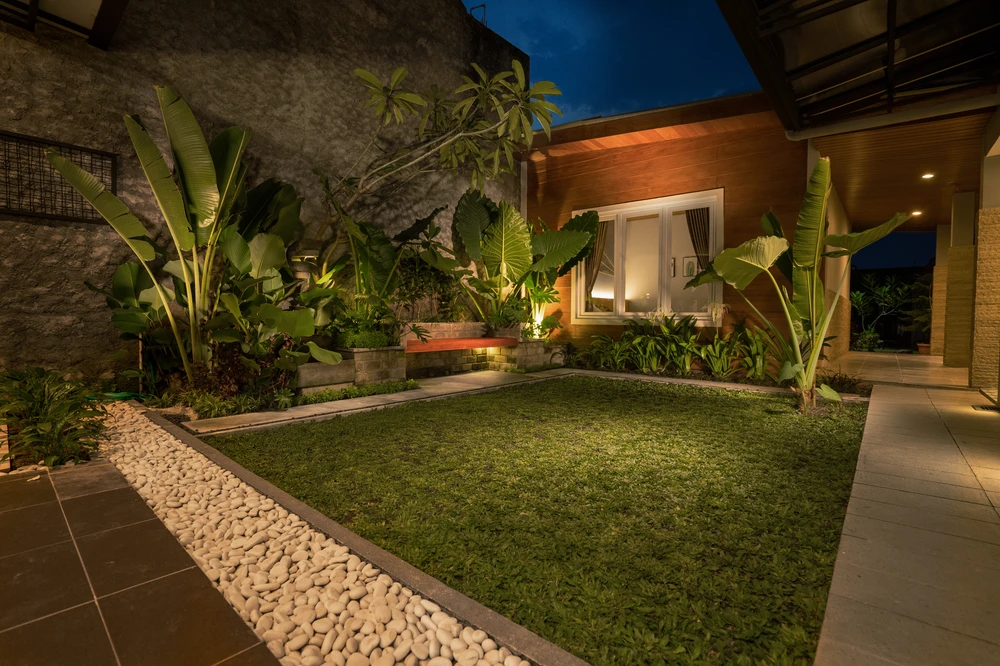
Flower beds are a popular place for landscape lighting, but they should usually come after the main movement areas. It can be tempting to light every shrub and perennial first because it makes the yard look finished. However, visibility around the yard should come before making the beds look pretty from the street. Lights near beds work best when they show edges, corners, and changes between mulch and grass. This helps people move through the space without stepping into plants or tripping over edging.
Landscaping beds also change through the season, which matters in May. Plants that are small now may fill in quickly by June and July. A light placed too close to new growth can be covered later, making it less useful. This is one reason planning matters before installation begins. It is better to place lights where they can still help after plants grow fuller through the warm months.
Use Trees to Improve Landscaping Visibility
Trees can be helpful in a lighting plan, but they should be used carefully. A large tree can add depth to a yard when lit from the base, but that should not be the first choice if walkways and steps are still hard to see. Tree lighting is best when it supports visibility near a usable area, such as a path, seating space, or side yard. If a tree has low branches near a walkway, tree services may also be worth considering before adding lights. That way, the lighting plan works with the tree's shape rather than fighting it.
Landscape lighting near trees can also help show the outline of the yard. This can make a backyard feel more open and easier to understand at night. Still, the lights should not be placed so close that they interfere with roots, mulch, or future care. If tree services are already needed for pruning or cleanup, it can make sense to look at lighting placement at the same time. Good landscaping work should make the yard safer, easier to use, and nicer to enjoy, not just brighter.
Conclusion
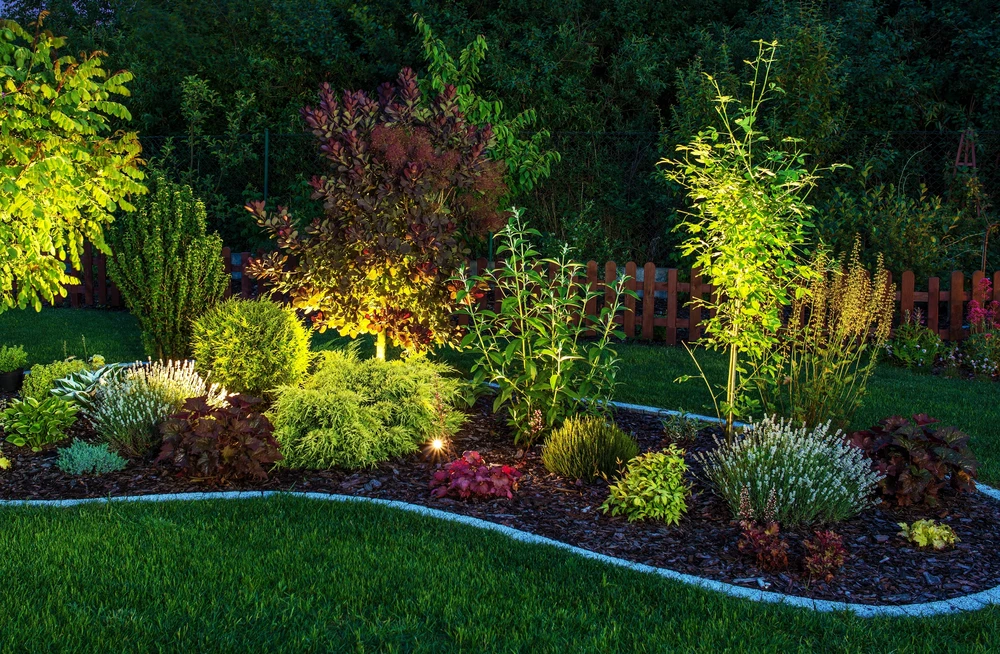
Choosing where to add landscape lighting first comes down to how the yard is used after dark. Walkways, steps, driveways, outdoor sitting areas, hardscaping edges, and bed transitions usually deserve attention before purely decorative spots. At JT's Lawn Care & Landscaping LLC, we believe a good landscape lighting plan should make the yard feel easier to use, easier to enjoy, and better suited for the people who live there. Contact us today, and we will be happy to help you decide where to place lighting around your yard first.